Standardizing Quality: The Role of APEDA and FSSAI in Indian Exports
How Indian regulatory bodies ensure that every shipment meets international food safety and quality standards.

Two Indian government bodies sit at the centre of every agricultural and processed food export: APEDA (Agricultural and Processed Food Products Export Development Authority) and FSSAI (Food Safety and Standards Authority of India). For international buyers, understanding what these agencies certify, mandate, and enforce is the key to interpreting the documentation that arrives with every Indian food shipment.
APEDA: The Export Regulator for Agro Products
APEDA operates under the Ministry of Commerce and Industry and administers the Agricultural and Processed Food Products Export Development Act, 1985. Its mandate covers the development and regulation of exports of 37 scheduled product groups including fruits, vegetables, processed foods, animal products, and cereals.
What APEDA registration means for buyers:
A supplier with APEDA registration (the 10-digit RCMC — Registration cum Membership Certificate) has passed a baseline supplier audit and is authorised to export scheduled product categories. APEDA registration is mandatory for Indian exporters in these categories — a supplier without it is operating outside the regulatory framework.
APEDA also manages:
- TRACENET: A traceability system covering fresh fruits, vegetables, and some processed foods. TRACENET generates a lot-level trace code linking the export consignment back to the registered farm or processing unit. EU buyers importing under the EU ICS2 advance cargo declaration system increasingly require TraceNet data.
- Phytosanitary coordination: APEDA works with the NPPO (National Plant Protection Organisation) to facilitate phytosanitary certificate issuance for plant-based exports
- Quality grade specifications: APEDA’s Agricultural Produce (Grading and Marking) Rules set the official grade standards for exports including basmati rice, fresh mangoes, and grapes
FSSAI: Food Safety Standards and Licensing
FSSAI is the statutory authority under the Food Safety and Standards Act, 2006. It sets the technical standards (FSS Regulations) for food products sold or exported from India, including:
- Microbiological limits (salmonella, E. coli, listeria)
- Pesticide MRLs (Maximum Residue Limits) aligned with Codex Alimentarius
- Contaminant limits (aflatoxins, heavy metals, dioxins)
- Labelling requirements for packaged exports
FSSAI licensing tiers relevant to exporters:
| License Type | Annual Turnover | Scope |
|---|---|---|
| Registration | Below ₹12 lakh | Small producers only — rarely applicable for exports |
| State License | ₹12 lakh – ₹20 crore | Mid-scale processors |
| Central License | Above ₹20 crore | Required for exporters; also mandatory for port-entry |
Any Indian food exporter with a FSSAI Central License has undergone a factory inspection confirming basic hygiene, equipment standards, and labelling compliance. Buyers should request the FSSAI license number and verify it on the FSSAI Verify License portal (foscos.fssai.gov.in).
What Buyers Should Verify in the Documentation
For a compliant Indian food export, the documentation package should include:
- APEDA RCMC (confirms the exporter is registered and authorised)
- FSSAI License (confirms the processing facility meets food safety standards)
- Certificate of Origin (issued by APEDA, FIEO, or local Chamber of Commerce)
- Phytosanitary Certificate (issued by NPPO/Plant Quarantine for plant-based products)
- COA from NABL-accredited laboratory (verifying pesticide residues, mycotoxins, microbiological parameters)
- APEDA Inspection Certificate (for graded products like basmati rice, grapes, and mangoes)
The Enforcement Reality
Both APEDA and FSSAI have strengthened enforcement since 2020. The FSSAI’s Import Clearance Module (ICM) at Indian ports screens all imported raw materials before they enter food processing facilities. Exporters caught with fraudulent documentation face cancellation of APEDA registration and FSSAI license.
For international buyers, this strengthened enforcement translates to a more reliable documentation trail. The APEDA-to-buyer documentation chain now includes lot-level phytosanitary tracking for premium categories, making it easier to trace the origin of any compliance issue.
IndianXporter holds APEDA registration, FSSAI Central License, and ISO 22000:2018 certification. All export documentation packages are prepared by our compliance team and include digital copies of every certificate listed above.
Contact IndianXporter to request our compliance documentation package before placing your first order.
Featured Export Products
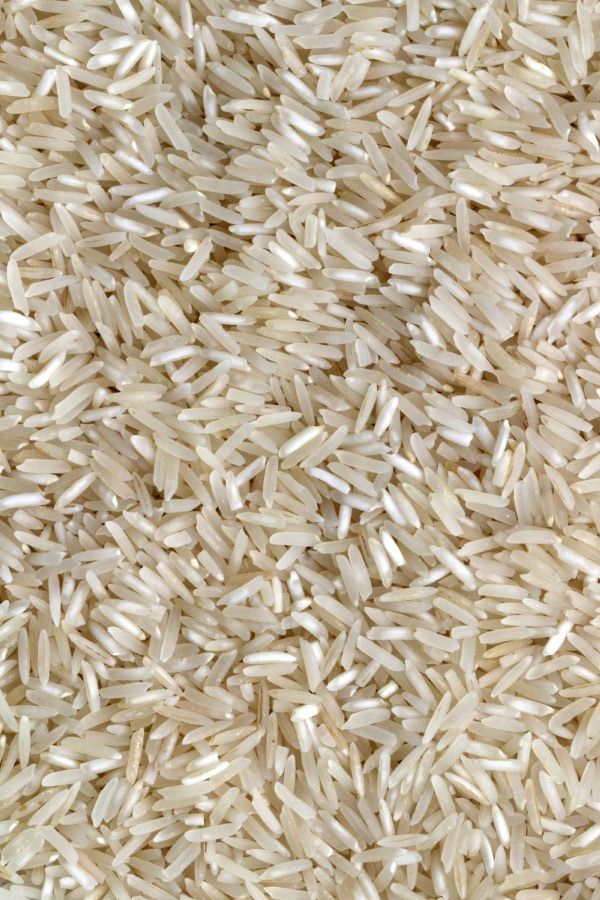
1121 Basmati Rice
Extra long grain 1121 Basmati rice. Known for its exquisite aroma and non-sticky texture after cooking.
Min. Order
20 Metric Tons (1 FCL)

Organic Turmeric Powder EU Organic Certified
Certified organic turmeric powder with 3-9% curcumin content across Erode, Alleppey, and Lakadong grades, EU Organic and USDA NOP dual-certified.
Min. Order
500 kg
Start Your Export Journey with Us
Get expert guidance on sourcing, compliance, and global logistics for your B2B trade business.