The Essential Guide to Incoterms 2020 for International B2B Buyers
Demystifying FOB, CIF, CFR, and EXW for importers sourcing goods from the Indian subcontinent.

Incoterms (International Commercial Terms) define who pays for what — and who bears the risk of loss — at each stage of an international shipment. Published by the International Chamber of Commerce (ICC), the 2020 edition is the current reference for all trade contracts. For buyers sourcing from India, choosing the right Incoterm is not just a logistics preference — it directly determines your landed cost, insurance exposure, and customs liability.
The Four Terms Most Relevant for Indian Imports
1. EXW — Ex Works (named factory/warehouse)
The buyer takes responsibility from the moment goods leave the seller’s premises. The seller does nothing beyond making goods available at their factory gate — no export customs, no loading, no freight.
When to use EXW: Almost never for first-time buyers from India. You would need a local freight forwarder in India to handle export customs, trucking to port, and container booking. EXW pricing looks the cheapest in a quote comparison, but the hidden logistical burden on the buyer makes it impractical unless you have established India-side freight operations.
2. FOB — Free On Board (named port of shipment)
The seller delivers goods onto the vessel at the named Indian port (typically Nhava Sheva or Mundra). Risk transfers to the buyer once the goods cross the ship’s rail. The buyer pays ocean freight and insurance from that point.
When to use FOB: Ideal for experienced importers with established freight forwarding relationships who want to control their ocean freight costs. FOB pricing from Indian exporters is the most transparent benchmark for comparing supplier prices, as it strips out variable freight and insurance costs. FOB Nhava Sheva and FOB Mundra are the standard reference points for Indian commodity pricing.
Critical note: The seller is responsible for Indian export clearance (IEC, customs declaration, export duty if applicable) under FOB. Confirm this is included — some smaller exporters attempt to quote “FOB” excluding export customs, which is not ICC-compliant.
3. CFR — Cost and Freight (named destination port)
The seller pays ocean freight to the destination port. Risk still transfers at the origin port (same as FOB), but the cost of freight is the seller’s responsibility. The buyer must arrange cargo insurance independently.
When to use CFR: Less common than CIF for first-time buyers — since the buyer is still exposed to loss or damage risk during transit without automatic insurance coverage. CFR pricing may look lower than CIF in quotes, but when you add the cost of insurance, CIF is usually more straightforward.
4. CIF — Cost, Insurance and Freight (named destination port)
The seller pays ocean freight AND provides cargo insurance to the destination port. Risk still transfers at origin, but the seller’s insurance (minimum coverage under Institute Cargo Clauses C) provides a baseline protection during transit.
When to use CIF: The most common Incoterm for buyers new to sourcing from India. It simplifies procurement — one price covers goods, freight, and insurance to your destination port. IndianXporter typically quotes CIF for buyers who are not yet comfortable managing ocean freight logistics independently.
Important caveat: CIF insurance is the minimum required level (ICC C clauses — covers only named perils like fire, sinking, collision). For perishable cargo (fresh fruits, refrigerated shipments), upgrade to All Risks insurance (ICC A clauses) and specify this in your contract.
The Incoterms 2020 Additions Worth Knowing
The 2020 revision introduced one new term and clarified several others:
DPU — Delivered at Place Unloaded (replaces DAT): The seller delivers goods, unloaded, at a named place. For buyers who want a fully landed delivery without customs clearance, DPU is the option short of DDP.
DDP — Delivered Duty Paid: The seller handles everything including import customs at the destination. DDP pricing is the highest but eliminates all buyer-side logistics. Few Indian exporters offer true DDP due to the complexity of acting as importer of record in foreign markets — be cautious of sellers claiming DDP without verifying their local customs authority.
What to Include in Your Purchase Contract
Beyond the Incoterm, your B2B purchase contract should specify:
- Named port or place: “FOB Nhava Sheva” not just “FOB India” — the named place matters for risk transfer
- Inspection right: Buyers right to inspect (or commission SGS/BV inspection) before shipment without Incoterm conflict
- Payment terms: 30% advance + 70% against B/L copy is standard for first orders; LC (Letter of Credit) for larger contracts
- Packaging specification: Included in the seller’s obligation under all Incoterms
- Documentation set: Commercial invoice, packing list, B/L, COA, phytosanitary certificate, certificate of origin — specify each
Contact IndianXporter for FOB, CFR, or CIF quotations for your specific product category and destination port.
Featured Export Products
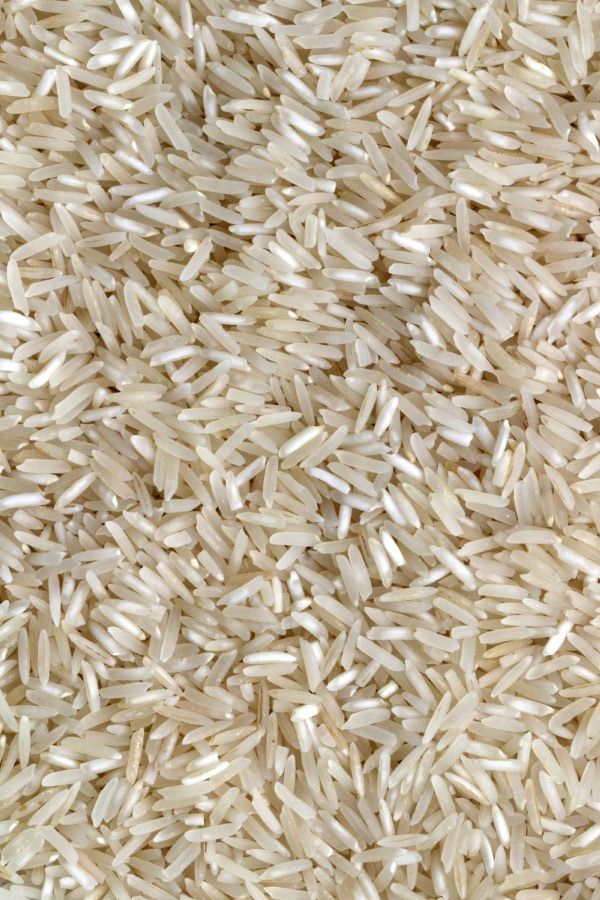
1121 Basmati Rice
Extra long grain 1121 Basmati rice. Known for its exquisite aroma and non-sticky texture after cooking.
Min. Order
20 Metric Tons (1 FCL)
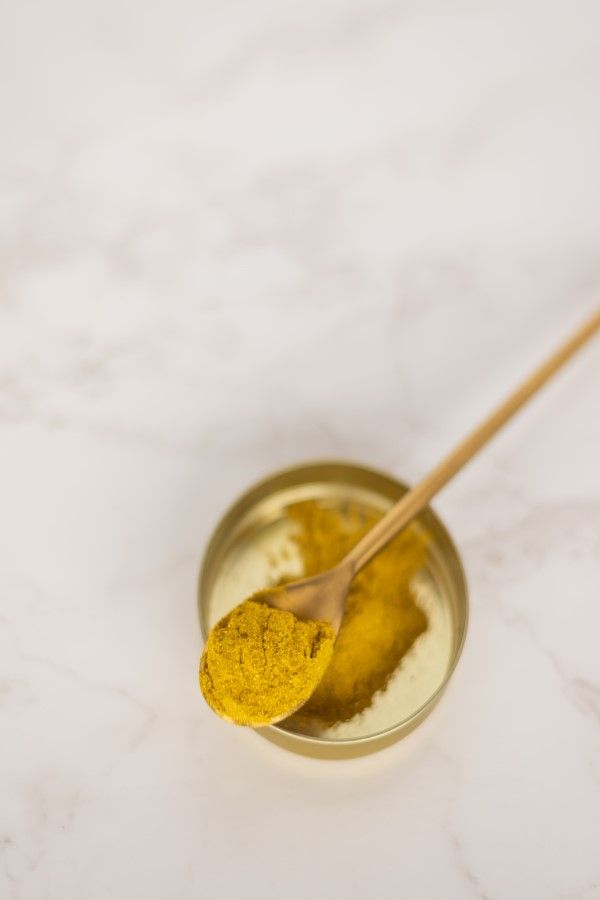
Organic Turmeric Powder EU Organic Certified
Certified organic turmeric powder with 3-9% curcumin content across Erode, Alleppey, and Lakadong grades, EU Organic and USDA NOP dual-certified.
Min. Order
500 kg
Start Your Export Journey with Us
Get expert guidance on sourcing, compliance, and global logistics for your B2B trade business.