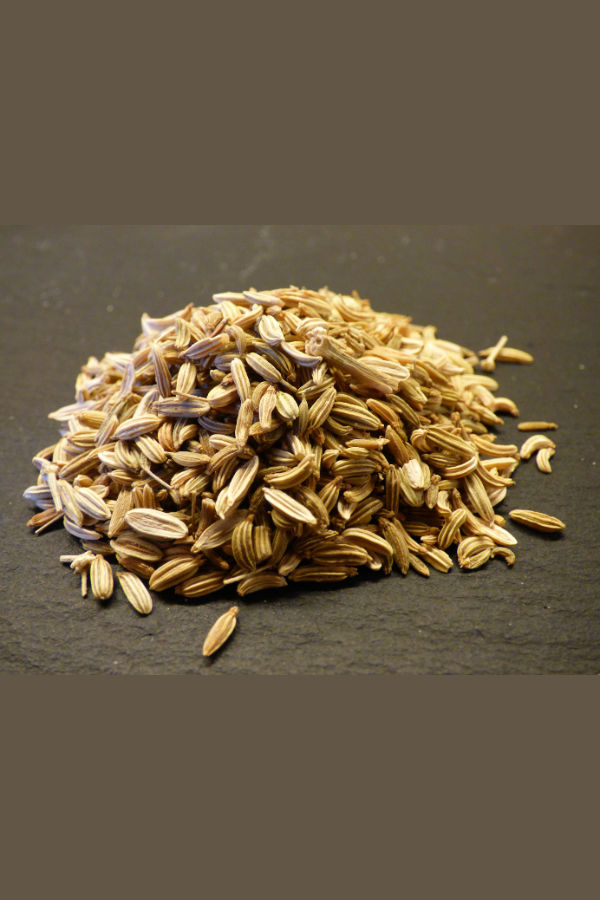
Premium Safflower
Supplier to Japan
IndianXporter is a leading bulk supplier of certified safflower for the Japan market. We provide end-to-end logistics, customs compliance support, and direct shipping to major Japan ports.
About Safflower
Safflower (Carthamus tinctorius), known in India as kusum, is a traditional drought-hardy oilseed valued for three distinct outputs: high-linoleic safflower oil prized for its heart-healthy polyunsaturated fat profile, dried safflower petals used as a natural colourant and saffron substitute, and decorticated kernel and seed used in bird food and feed. It is one of humanity's oldest crops and India is among its oldest continuous cultivators.
India grows safflower mainly in Maharashtra and Karnataka, where the crop thrives on residual soil moisture in semi-arid rabi conditions. Indian safflower trades both as whole seed for oil crushing and bird food, and as dried petals (kusum flowers) exported as a natural food and textile colourant and as an affordable saffron alternative. The high-linoleic oil — among the highest of any edible oil — anchors safflower's reputation in heart-health and cosmetic markets.
Globally, safflower seed and oil supply comes from the USA, Mexico and Kazakhstan, with the USA a leading exporter of both birdseed-grade seed and high-oleic safflower oil. India differentiates through its long-standing petal (kusum) trade for natural colour and saffron substitution, alongside high-linoleic oilseed and bird-food-grade seed, all backed by FSSAI compliance and lab-tested residue reporting.
Compliance & Quality Standards for Japan
Japan maintains some of the world's most stringent food safety and residue standards, enforced by the Ministry of Health, Labour and Welfare (MHLW) under the Food Sanitation Act. All food imports are subject to inspection by Japan's quarantine stations and must comply with Japan's Positive List system for agricultural chemical residues, which sets MRLs far more stringent than Codex standards for many substances. IndianXporter coordinates pre-shipment residue testing at NABL-accredited or Japan-approved laboratories and provides detailed pesticide use records to support Japanese customs clearance. The Japan Agricultural Standards (JAS) label is required for organic products. Plant products require phytosanitary certification from India's NPPO and may be subject to pest risk assessment under Japan's Plant Protection Law. Japanese buyers typically request detailed COA per lot, microbiological test reports, and allergen declarations in Japanese, which IndianXporter can coordinate. At IndianXporter, we ensure every batch of safflower exceeds the quality expectations of Japan importers and adheres to all local regulatory mandates.
Our Export Commitment
Processing Excellence
Advanced Sortex-cleaned, graded, and processed in ISO & FDA certified facilities.
Verified Inspection
Full pre-shipment inspections by SGS, Intertek, or QIMA available upon request.
100% Traceability
End-to-end farm-to-port traceability maintained for all international shipments.
Logistics & Shipping to Japan
Streamlined transit routes from major Indian ports to ensure fast and secure delivery to Japan.
Destination Ports
Direct FCL/LCL shipping to:
Estimated Transit
Port-to-Port lead time:
18-25 Days
From Mumbai / Mundra
Indian Loading Hubs
Consolidated shipments via:
Safflower Export Specifications
What Drives Safflower Pricing
Before quoting Japan buyers, we track the same factors that move global safflower FOB rates:
- Safflower petal (kusum) demand — natural colour and saffron-substitute buyers drive the highest-value grade
- High-linoleic oil demand from heart-health and cosmetic markets
- US, Mexican and Kazakh seed supply — sets the global birdseed and oil-type price floor
- India crop weather in Maharashtra and Karnataka — rabi rainfall affects seed and petal yield
- Saffron price levels — high saffron prices lift demand for safflower petals as a substitute
Safflower Commercial Grades
Choose the grade that matches your Japan buyer's application and budget.
Dried Safflower Petals (Kusum)
- Processing
- Hand/machine harvested florets, shade/air dried
- Colour
- Bright orange-red to deep red
- Use Case
- Natural food colourant, saffron substitute, herbal tea, textile dye
- Pricing
- Highest-value grade — multiples of seed price
High-Linoleic Oil-Type Seed
- Processing
- Cleaned whole seed, crushing grade
- Colour
- Creamy white hull
- Use Case
- Heart-healthy high-linoleic safflower oil extraction
- Pricing
- +$50–$120/MT over bird-food grade
Decorticated Kernel
- Processing
- Hull removed, sortex sorted
- Colour
- Light kernel
- Use Case
- Bakery, snack and high-oil crushing applications
- Pricing
- +$200–$350/MT over whole seed
Bird Food / Feed Grade Seed
- Processing
- Cleaned whole seed, lower cosmetic spec
- Colour
- White hull
- Use Case
- Wild bird food, pet food and feed mixes
- Pricing
- Base export benchmark
India vs USA / Mexico: Safflower Sourcing Comparison
The USA, Mexico and Kazakhstan dominate global safflower seed and oil supply, with the USA a leading exporter of birdseed-grade seed and high-oleic safflower oil. India differentiates through its traditional dried-petal (kusum) trade for natural colour and saffron substitution, plus high-linoleic oilseed and competitively priced bird-food-grade seed.
Safflower
Premium B2B Grade
Get today's tailored quote for bulk safflower supply to Japan. Our team will provide current ocean freight rates and optimized CIF pricing for your destination.
Trusted by Japan Importers
Get Japan Quote
Mention port of arrival for precise CIF pricing.
Quote for Safflower Export to Japan
Typically respond within 4 business hours. No commitment required.
Quote Request Sent!
Thank you! Our export team will respond within 4 business hours with pricing and lead times.
Browse More ProductsSubmission failed. Please email us directly at [email protected].
Other Products We Export to Japan
Bulk Indian commodities with direct shipping and Japan compliance support.