
XP-0060 Fresh Vegetables
Beetroot
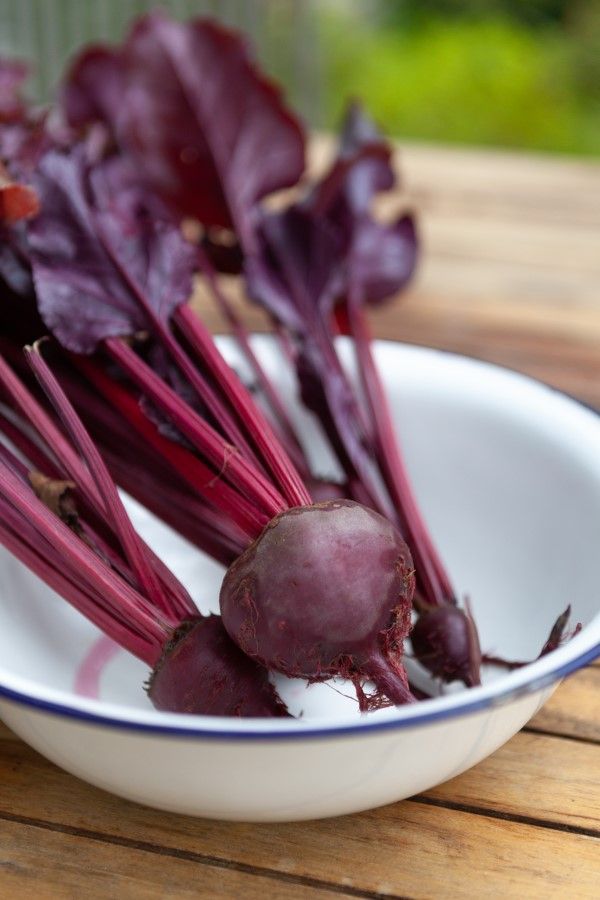
Fresh, crispy Beetroot harvested daily and sorted to meet international export standards.
APEDAFSSAIPhytosanitary Certificate
Min. Order
500 Kg

Fresh, crispy Spring Onion harvested daily and sorted to meet international export standards.
Min. Order (MOQ)
500 Kg
HS Code
0701
Origin
India
Price Range
Price on Request
Export Documents
Available Bag Sizes
Available Bag Types
Spring onion (Allium fistulosum, scallion / Welsh onion) is cultivated across Maharashtra, Punjab, Himachal Pradesh, and Tamil Nadu with year-round availability through succession planting, though peak quality runs from October through April in the cooler northern growing zones. Unlike storage onions, spring onion is harvested immature at 30–45 days from planting — valued for the long, tender green stalks and mild crisp white base rather than bulb formation. India's spring onion exports are modest in scale (approximately 3,000–5,000 MT annually) but serve consistent structural demand from the Gulf South Asian diaspora community, South Asian regional wholesale (Bangladesh, Nepal, Sri Lanka), and Asian-cuisine food-service channels across the Middle East.
Fresh export spring onion is hand-harvested, roots trimmed, bundled into 200–300g retail bunches or loose-filled in 20 kg cartons, then immediately reefer-cooled to 0–2°C and transported in reefer containers maintaining 90–95% relative humidity. At 0–2°C, spring onion maintains marketable quality (bright white base, vivid green tops, crisp texture) for 10–14 days — sufficient for sea-freight to Gulf markets. Any delay or temperature excursion causes rapid wilting, yellowing of the green tops, and sliming of the white base that makes the product commercially unmarketable. Premium Grade (hand-selected, gently washed, trimmed to 30–35 cm, vivid colour, immediately cooled) targets premium Gulf retail and high-end foodservice. Standard Grade (machine-graded bunches, acceptable colour variation) supplies wholesale and traditional cooking-ingredient retail at base pricing.
Export compliance requires APEDA registration, a phytosanitary certificate, and MRL pesticide residue documentation within destination limits. GlobalG.A.P. certification is valued by premium retail buyers but not universally required for bulk wholesale channels. Spring onion ships from Nhava Sheva and Chennai in reefer containers; smaller LCL consolidations are common for the low-volume Gulf specialty trade. Organic spring onion from Himachal Pradesh with NPOP or EU-Organic certification is available for premium EU natural-food buyers and Japanese specialty importers who pay per-bunch premiums for certified produce with full provenance documentation.
The processed formats of Indian spring onion export — dehydrated green onion flakes, freeze-dried spring onion, and cryogenic IQF sliced green onion — represent significantly higher-margin derivative products that convert the perishable fresh surplus into year-round ambient ingredients for the global soup, seasoning, instant-noodle, and snack-flavouring industries. EU and North American food manufacturers sourcing dehydrated green onion and chive-type products represent the primary industrial buyer segment for processed spring onion derivatives, with India's competitive pricing and HACCP/BRC certified processing units positioning them well against Chinese-origin dehydrated vegetable suppliers in the EU ingredient-sourcing market.
As a leading manufacturer and exporter in India, IndianXporter ensures that our Spring Onion meets the stringent quality requirements of international markets. Our robust supply chain allows us to fulfill bulk orders consistently, offering highly competitive FOB and CIF pricing to our B2B partners worldwide.
Our processing facilities are equipped with state-of-the-art machinery, ensuring that every shipment of Spring Onion is thoroughly sorted, cleaned, and graded. We adhere to global food safety and industrial standards, backed by third-party inspections from agencies like SGS upon buyer request.
Spring onion (Allium fistulosum), also called scallion, Welsh onion, or Chinese onion, is a perennial bulbless onion variety grown for its long, tender green shoots and mild white base. Unlike storage onions (which form large bulbs), spring onion is harvested immature — at 30–45 days — for the tender stalk. India grows spring onion widely across Maharashtra, Punjab, Himachal Pradesh, and Tamil Nadu with year-round availability through succession planting. The crop is highly perishable and requires rapid reefer logistics to preserve crispness.
South Asia is the primary market for spring onion, with Bangladesh, Nepal, and the Middle East driving most export volumes. India's export of spring onion is modest (~3–5K MT annually) compared to cabbage and other fresh vegetables, but the crop commands strong regional demand for culinary and medicinal use. Like spinach, spring onion is 90%+ water content and deteriorates rapidly without cold chain.
| Botanical Name | Allium fistulosum L. |
| Harvest Stage | Immature, 30–45 days from planting |
| Length (White + Green) | 25–35 cm total; white portion 5–8 cm |
| Diameter (White Base) | 8–12 mm (select harvested at optimum size) |
| Green Portion | Fresh, tender, dark green; no yellowing |
| Crispness | Firm and crisp; no wilting or limpness at harvest |
| Colour | White base; bright green tops |
| Moisture Content | ~90–92% (fresh vegetable) |
| Weight per Bunch | 200–300 g (retail bunches); 20 kg total per carton |
Premium Grade (Bunches)
Processing: Hand-selected, gently washed, trimmed to 30–35 cm, immediately reefer-cooled, graded bunches
Colour: Bright white base, vivid green tops
Use Case: Premium retail bunches, high-end supermarkets, foodservice
+30–50% over standard grade
Standard Grade (Bunches)
Processing: Machine-graded bunches, washed, reefer-packed in cartons
Colour: White to pale green base, green tops
Use Case: Wholesale and traditional retail, cooking applications
Base reference grade
Grade B / Bulk
Processing: Loose, mixed bunch sizes, minimal trimming, acceptable for processing
Colour: Mixed; yellowing permitted
Use Case: Restaurant/bulk kitchen prep, processing
-40–50% below standard
Prices are indicative. Request a formal quote for contractual pricing.
| Grade | FOB Price (USD/MT) | Notes |
|---|---|---|
| Premium Grade Bunches | $1.20–$2.00/kg | Retail-ready, reefer-packed, premium markets |
| Standard Grade Bunches | $0.70–$1.20/kg | Wholesale and traditional retail |
| Grade B / Bulk | $0.40–$0.70/kg | Bulk kitchen/restaurant use |
Price Influencing Factors
Thailand and China are major spring onion producers and exporters, supplying East Asia and increasingly Southeast Asia. India competes on price and proximity to South Asian and Middle Eastern markets, not on year-round export positioning.
| Aspect | 🇮🇳 India | 🌏 Thailand & China |
|---|---|---|
| Production Scale | ~3–5K MT/yr exports; minor player | Thailand/China: major year-round exporters; 100K+ MT/yr regional trade |
| Export Focus | Regional (South Asia, Gulf) | East Asia & Southeast Asia dominant |
| Price | $0.40–$2.00/kg FOB | Thailand: $0.50–$1.50/kg; China: $0.30–$0.80/kg |
| Primary Markets | Bangladesh, Nepal, UAE, Saudi Arabia | Japan, South Korea, Vietnam, Malaysia |
| Supply Window | Year-round; peaks Oct–Feb | Year-round; commodity availability |
Fresh Retail & Supermarket
Premium bunches in retail displays; standard grade in traditional produce. South Asian and Gulf retail.
Foodservice & HORECA
Bulk supply for restaurants, catering, hotels, and institutional kitchens. Garnish and stir-fry applications.
Asian Cuisine Specialty
Essential ingredient in Chinese, Thai, and Asian fusion cuisine; concentrated demand among Asian restaurants.
Processing & Value-Add
Spring onion used in prepared salads, vegetable mixes, and Asian condiment production.
Primary Supply Origins
Thailand
~40% of regional Southeast Asia exportsYear-round producer; major supplier to East & Southeast Asia.
China
~30% of regional exportsLarge production and export volumes to East Asia.
India
~5–8% of regional South Asia & Gulf exports; growingMaharashtra & Punjab drive supply; regional market dominance.
Key Consumption Nodes
Bangladesh
Largest Indian spring onion export destination; wholesale and retail demand.
Nepal
Seasonal import market; Indian supply dominates on proximity.
UAE & Saudi Arabia
Growing expatriate and modern retail demand for Asian vegetables.
Spring onion is a niche, highly perishable vegetable with regional rather than global trade patterns. India's export opportunity centres on supplying price-sensitive South Asian and Gulf markets during harvest peaks, competing on freshness and landed cost rather than brand positioning.
Market Size
Global fresh spring onion trade (not separately tracked); India's estimated exports: ~$2–4M annually
Growth Rate
~3–5% CAGR — constrained by perishability and regional market concentration
Core Demand Drivers
Supply Dynamics
Production is year-round via succession planting across Maharashtra, Punjab, and Tamil Nadu. Harvest timing drives supply peaks (post-monsoon Oct–Feb). Strong domestic consumption competes for export-grade supply. Rapid deterioration without cold chain limits market reach.
⚠ India Risk Factor
Extreme perishability — any cold-chain break results in total loss. Limited shelf-life window reduces market reach. Thailand and China commodity pricing sets benchmarks. Domestic demand swings can divert supply.
Future Outlook
Growth will come from expanded reefer pack-house capacity, value-addition (vacuum-packed pre-cut bunches for retail), and niche organic positioning. Direct supply relationships with Gulf and Southeast Asian retailers offer premium opportunities.
| Product Type | HS 6-Digit | ITC-HS 8-Digit | Description |
|---|---|---|---|
| Fresh Spring Onion | 0703.10 | 07031000 | Onions, shallots, garlic, leeks (other alliaceous vegetables), fresh or chilled |
| Standard | Code / Reference | Note |
|---|---|---|
| APEDA Export Certification | APEDA Registration | Mandatory fresh vegetable export; pesticide/heavy metal conformity |
| Phytosanitary Certificate | IPPC ISPM-15 | Required by most importing countries |
| Global GAP (optional) | GLOBALG.A.P. IFA | Valued by premium retailers and food-safety buyers |
| FSSAI | FSS Act 2006 | Indian food safety registration |
Shelf Life
7–14 days at 0–4°C; only 2–3 days at ambient temperature
Storage Conditions
Maintain 0–4°C throughout cold chain; 95–100% RH essential. Immediate pre-cooling post-harvest critical.
Container Type
40ft refrigerated container at 0–2°C with active air circulation; must preserve humidity
Storage Advantage
Indian spring onion shipped via reefer reaches regional markets (Bangladesh, Nepal, Gulf) with intact shelf-life and crispness
Bulk supply for various manufacturing, processing, and distribution sectors. High-purity technical grades available for industrial procurement and technical application.
Standard
Technical Grade
Supply
Bulk Only
Standard Packaging
Export Standard Cartons / Palletized
Private Label / OEM
Custom Packaging & OEM Support Available
Port of Loading
Nhava Sheva (Mumbai) or Mundra Port
Incoterms
FOB, CIF, CFR accepted
IndianXporter successfully exports Spring Onion to major international markets. Click your region below to view destination-specific compliance and shipping details.
Establish your own brand in the international market. We provide end-to-end custom white-label packaging and branding solutions for retail distribution. Get retail-ready Spring Onion under your brand name with our expert OEM services.
Retail Ready
From Design to Delivery
We provide market-specific compliance documentation for each destination. Contact us for country-specific certifications.
Related
Fresh, crispy Beetroot harvested daily and sorted to meet international export standards.
Min. Order
500 Kg
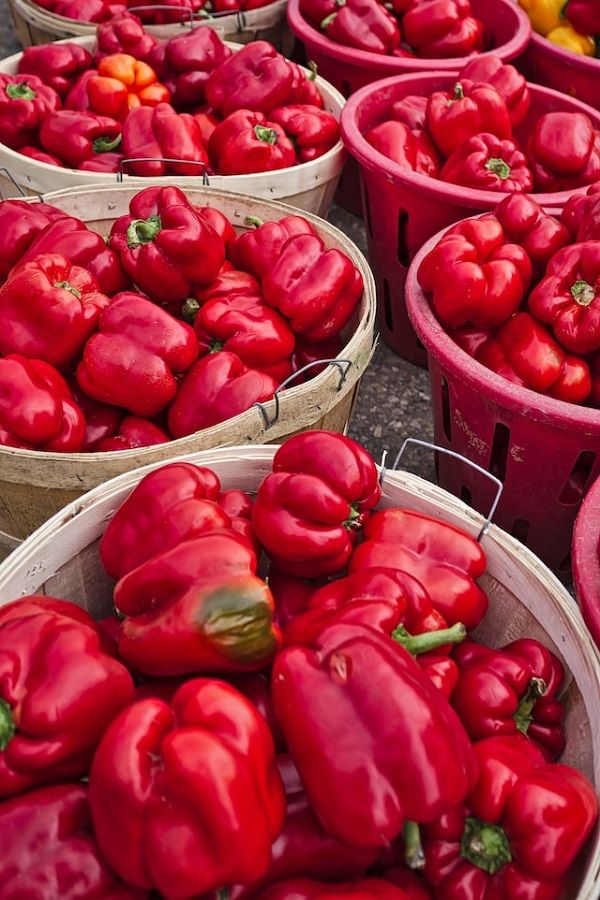
Fresh, crispy Bell Pepper harvested daily and sorted to meet international export standards.
Min. Order
500 Kg
Crisp, tender Bitter gourd in vibrant green, packed with phytonutrients and functional health benefits. Cold-chain maintained for export.
Min. Order
500 Kg
Country-specific compliance, ports and CIF pricing for bulk spring onion shipments.
Industry-grade spring onion supply with technical COA and specifications.