From Farm to Port: IndianXporter's Quality Control and Sortex Processing
Take a virtual tour of our processing facilities and see how we maintain 99.9% purity for B2B exports.

Every IndianXporter shipment passes through a documented eight-stage quality control process before it reaches the port. This article walks through each stage — from raw material receipt to container stuffing — explaining what we check, why it matters for international buyers, and what documentation it generates.
Stage 1: Vendor Qualification and Raw Material Incoming
Before a single kilogram enters our facility, the supplier is qualified. For new FPO or farm-level suppliers, this means a physical site visit, review of pesticide application records, and a trial lot assessment at our NABL-accredited laboratory.
At warehouse receipt, every incoming lot is tagged with a unique batch ID, weighed, sampled (per ISO 950 sampling protocols for bulk commodities), and assessed for:
- Moisture content (moisture meter, three-point random sampling)
- Foreign matter (visual sort of 100g sub-sample)
- Colour and uniformity (against a reference grade card)
- ELISA rapid test for aflatoxin in high-risk categories (groundnuts, maize, dried chilli)
Lots failing incoming specs are rejected at gate — they never enter the export processing stream.
Stage 2: Primary Cleaning and Destoning
Incoming product passes through a pre-cleaner that removes gross foreign matter (straw, large stones, clumped soil). A gravity-based destoner then separates high-density contaminants (stones, glass, dense weed seeds) that are indistinguishable by size alone.
Gravity separation works by directing product across a fluidised, vibrating deck — denser contaminants sink and move to the heavy fraction discharge, while lighter good-quality product flows to the light fraction outlet. This removes contaminants that even a Sortex machine cannot identify because they are visually similar to the product.
Stage 3: Magnetic Separation
A permanent rare-earth magnet separator captures ferrous contamination — equipment wear debris (iron filings from conveyors and augers) that cannot be detected by visual sorting. This is a mandatory step for food safety compliance under FSSC 22000 and HACCP; documentation confirms the magnet’s strength (typically ≥8,000 Gauss) is tested and recorded weekly.
Stage 4: Scalping and Sizing Sieves
A multi-deck vibratory sieve removes oversized material (clumped product, large stones that escaped destoning) on the top deck and undersized product (broken kernels, fine dust, small weed seeds) on the bottom deck. The mid-fraction — the on-specification product — passes to the Sortex stage.
For sized products (cardamom, black pepper), this is where grade separation occurs: the sieve deck openings determine the grade cutoff (e.g., 7mm vs. 8mm cardamom).
Stage 5: Optical Colour Sorting (Sortex)
Our Buhler Sortex A-Series machines run product through a CCD camera array at up to 800 frames per second. The machine identifies and ejects:
- Discoloured units (mould-suspect, heat-damaged, immature)
- Translucent defects (hollow spice seeds, shrivelled kernels)
- Remaining foreign matter below destoner detection threshold
- Insect-damaged units
All spice and grain exports run double-Sortex (two sequential passes), achieving <0.1% residual defects by count.
Stage 6: NABL Laboratory Analysis
A representative sample from each processed batch is sent to our NABL-accredited partner laboratory for full parameter testing:
- Moisture, total ash, acid-insoluble ash
- Volatile oil content (for spices)
- Pesticide residue multi-residue panel (200–500 compounds depending on destination market)
- Mycotoxin panel (aflatoxin B1/B2/G1/G2, OTA for relevant categories)
- Microbial counts (TPC, E. Coli, Salmonella, Yeast & Mould)
COA with numeric results (not just pass/fail) is issued before packing confirmation.
Stage 7: Packing and Sealing
Packing specifications follow buyer purchase orders:
- Food-grade PP woven bags with inner polyethylene liner for most dry commodities
- Vacuum-sealed EVOH pouches for high-value products (saffron, cardamom, black pepper premium grades)
- Jute overlay bags for markets specifying natural fibre outer packaging
Each bag/carton is stencilled with batch ID, product grade, net weight, and destination-market required labelling (country of origin, packing date, best before).
Stage 8: Pre-Stuffing Inspection and Container Sealing
Before container stuffing, a final physical count and weight reconciliation is conducted. For orders where buyers commission SGS, Bureau Veritas, or QIMA inspection, the inspection agent witnesses the stuffing process and seals the container under their supervision. The container seal number appears on the Bill of Lading.
Contact IndianXporter to receive our full quality manual and sample COA for your product category before placing your order.
Featured Export Products
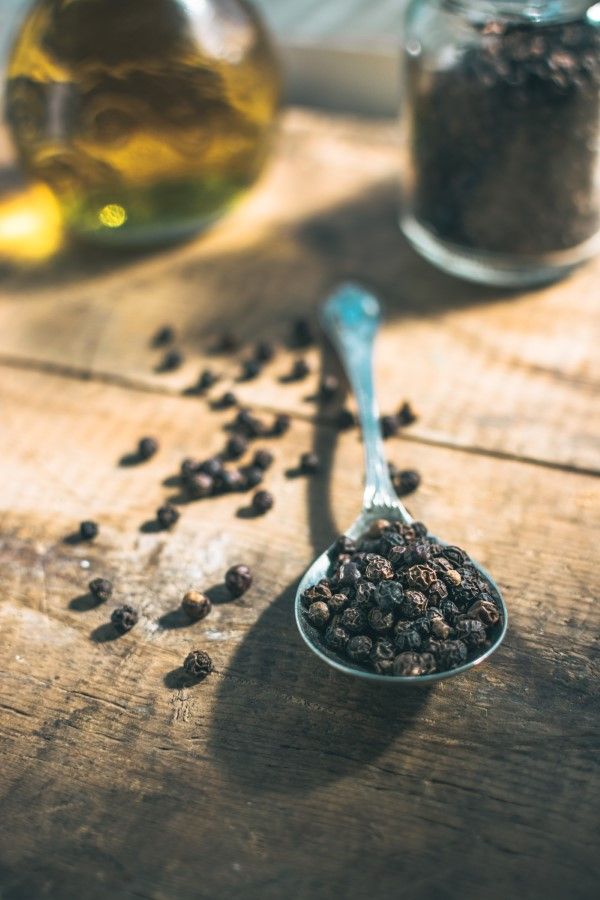
Black Pepper
Premium bold Black Pepper sourced from South India, dried and graded for superior flavor and international export.
Min. Order
500 kg
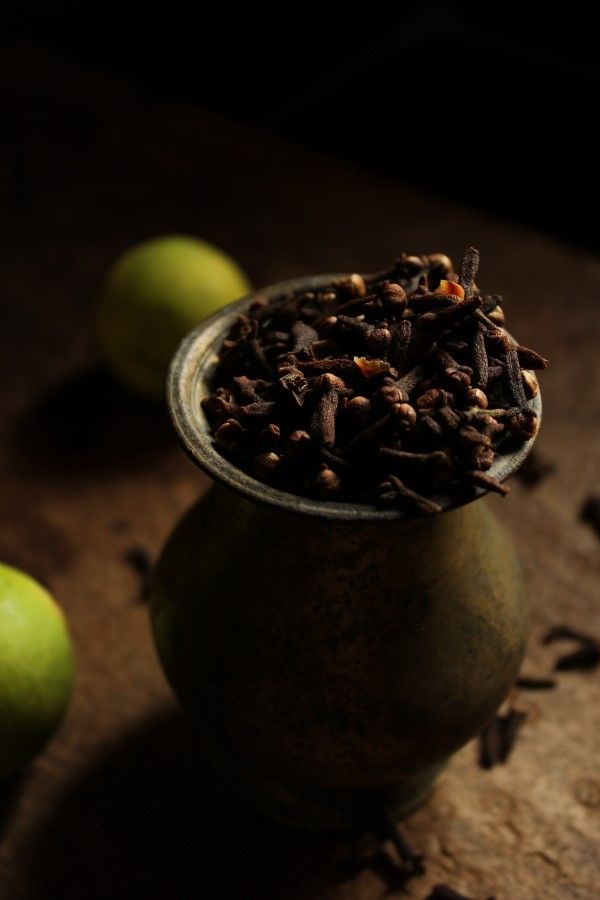
Clove
Top-grade Clove with rich aroma and intense flavor, processed under hygienic conditions for global export.
Min. Order
500 Kg
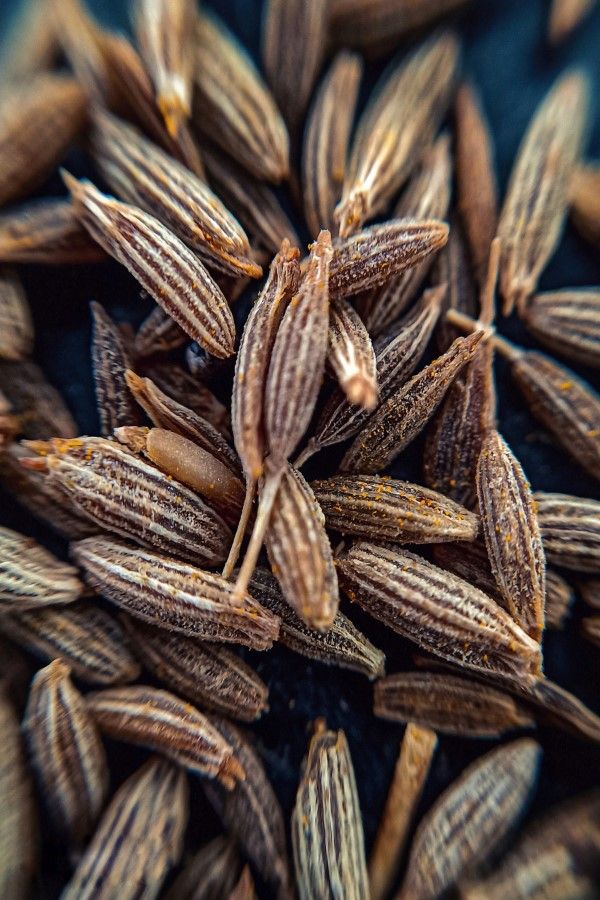
Cumin Seeds
Premium aromatic Cumin Seeds cleaned and graded to international standards, ideal for global culinary applications.
Min. Order
1 Metric Ton
Start Your Export Journey with Us
Get expert guidance on sourcing, compliance, and global logistics for your B2B trade business.