How Sortex Cleaning Technology Ensures 99.9% Purity in Spice Exports
Understanding the technical advantage of optical color sorters in delivering contaminant-free agricultural exports.

When international buyers specify “Sortex-cleaned” on their purchase orders, they are asking for a quality baseline that a basic screening and sieving process cannot achieve. Buhler Sortex optical colour sorters — the industry benchmark — are what separate export-grade Indian spices from the domestic market supply that gets rejected at EU and US customs. This guide explains what Sortex cleaning does, why it matters for compliance, and what to ask your supplier to verify.
What Sortex Optical Sorting Does
A Sortex machine is an optical colour sorter that uses high-speed cameras and air ejectors to identify and remove defective units from a product stream. The process operates at throughputs of 1–10 tonnes per hour depending on the product.
How it works:
- Product flows in a thin, uniform curtain past a high-resolution CCD camera array
- The camera captures the colour, translucency, and shape of every unit at up to 1,000 frames per second
- A microprocessor compares each unit against the programmed “accept” profile
- High-speed pneumatic ejectors (firing in 2–5 milliseconds) expel rejected units into a separate discharge chute
Modern Sortex machines (Buhler SORTEX A, E, Z+) can identify and remove:
- Discoloured units (mouldy, shrivelled, or heat-damaged grains and seeds)
- Foreign matter (stone chips, glass, plastic fragments, insect fragments)
- Immature seeds (lighter colour profile)
- Aflatoxin-suspect units (which typically appear as shrivelled, off-colour)
For black pepper, one pass through a Sortex reduces defective berries from a typical FAQ sample of 4–8% to below 0.5%. For cumin seeds, it removes sand, stone fragments, and weed seeds that hand-cleaning and conventional sieving miss entirely.
Why Sortex Cleaning is Mandatory for EU Market Access
The EU’s official inspection methodology at ports of entry (under Commission Regulation 669/2009) involves systematic sampling and physical inspection of spice imports. Consignments with excessive foreign matter, mould, or insect contamination are immediately detained and may be destroyed at the importer’s cost.
Specific EU requirements where Sortex cleaning makes the difference:
Black Pepper: EU limits defective berries, foreign matter, and extraneous matter to <1%. Without Sortex cleaning, field-harvested black pepper from India typically runs 3–5% defects.
Cumin Seeds: EU buyers specify “machine-cleaned” (MC) grade explicitly because conventional hand-cleaned cumin contains soil, weed seeds, and stone fragments at levels that fail EU inspection.
Turmeric Finger/Powder: Sortex identifies and removes the heavily contaminated outer skin fragments and soil clods that carry the highest aflatoxin load — making it a functional food safety step, not just a cosmetic quality upgrade.
Coriander Seeds: Moisture-damaged and insect-eaten seeds are a common rejection cause; Sortex identifies them by changed translucency before mould is visible to the naked eye.
The Multi-Pass Advantage
Most export-grade facilities run products through 2–3 Sortex passes, with sieve sizing and gravity separation between passes. The sequence for cumin seeds at IndianXporter’s Nagpur facility:
- Magnetic separation: Removes ferrous contamination (equipment wear debris)
- Destoning: Gravity-table separation removes stones and dense foreign matter
- Scalping (oversized sieve): Removes clumped material and large foreign bodies
- First Sortex pass: Removes gross colour defects and visible mould-suspect units
- Second Sortex pass: Fine-tunes to remove borderline units; achieves <0.1% defective
This multi-pass process is what delivers the 99.9% purity specification that appears on export COAs and that EU and US buyers require in their purchase specifications.
How to Verify Your Supplier’s Sortex Capability
Any supplier claiming Sortex-cleaning should be able to provide:
- Equipment model and vintage: Buhler Sortex (preferred), Satake, or equivalent — ask for model numbers and calibration records
- Processing capacity vs. throughput: Is the machine appropriately sized for the lot volume being processed?
- Before/after samples: A credible supplier will show you the “accepts” and “rejects” side-by-side — the rejects should visually confirm the contaminants being removed
- Third-party inspection report: SGS, Bureau Veritas, or QIMA inspection of the lot post-sorting, with foreign matter count as a line item
- NABL-lab physical analysis: Moisture, foreign matter percentage, and defect count in the COA from a NABL-accredited lab
IndianXporter operates Buhler Sortex A Series machines at our Nagpur processing facility, with a combined sorting capacity of 8 MT per hour across our product range. All spice lots are double-Sortex-cleaned before export certification.
Contact IndianXporter for Sortex-cleaned spice export pricing and sample requests.
Featured Export Products
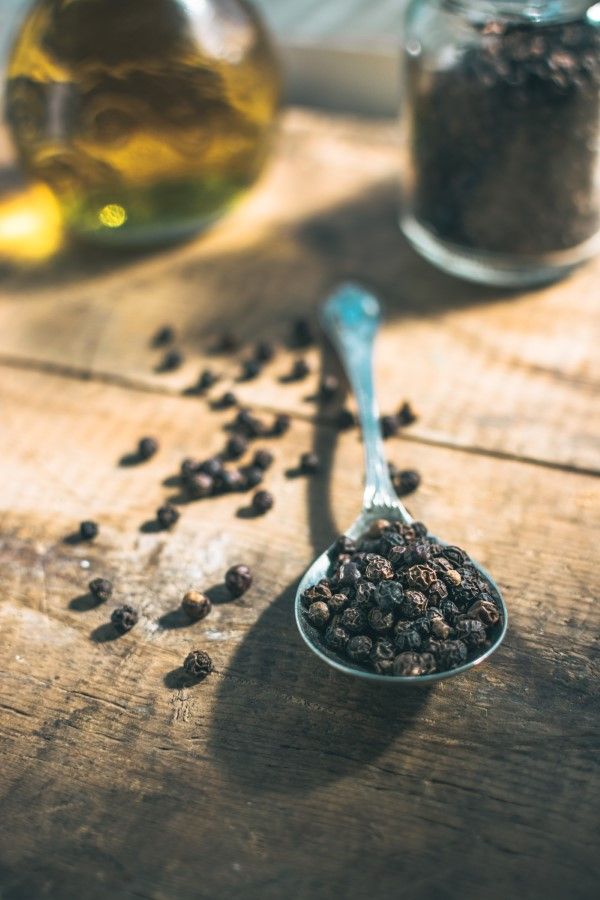
Black Pepper
Premium bold Black Pepper sourced from South India, dried and graded for superior flavor and international export.
Min. Order
500 kg
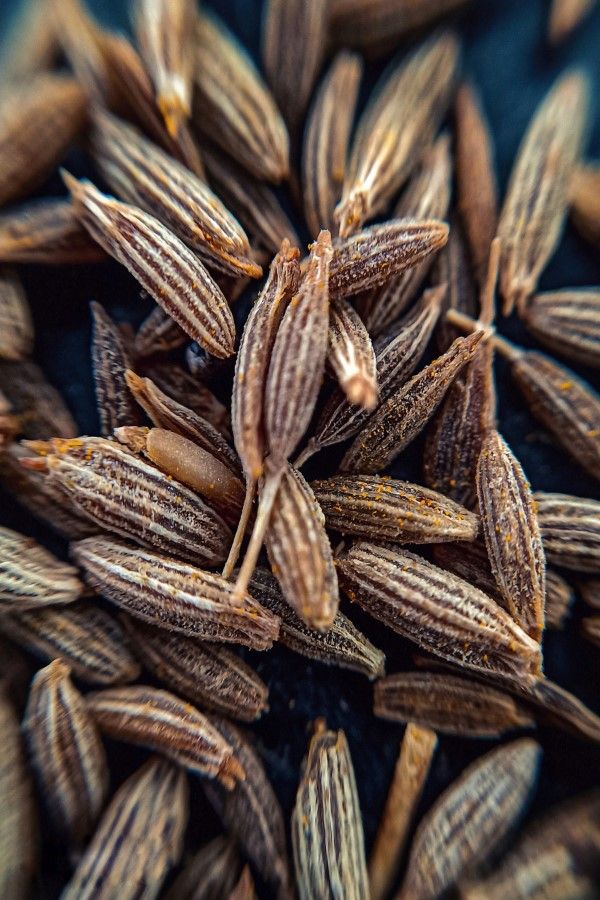
Cumin Seeds
Premium aromatic Cumin Seeds cleaned and graded to international standards, ideal for global culinary applications.
Min. Order
1 Metric Ton
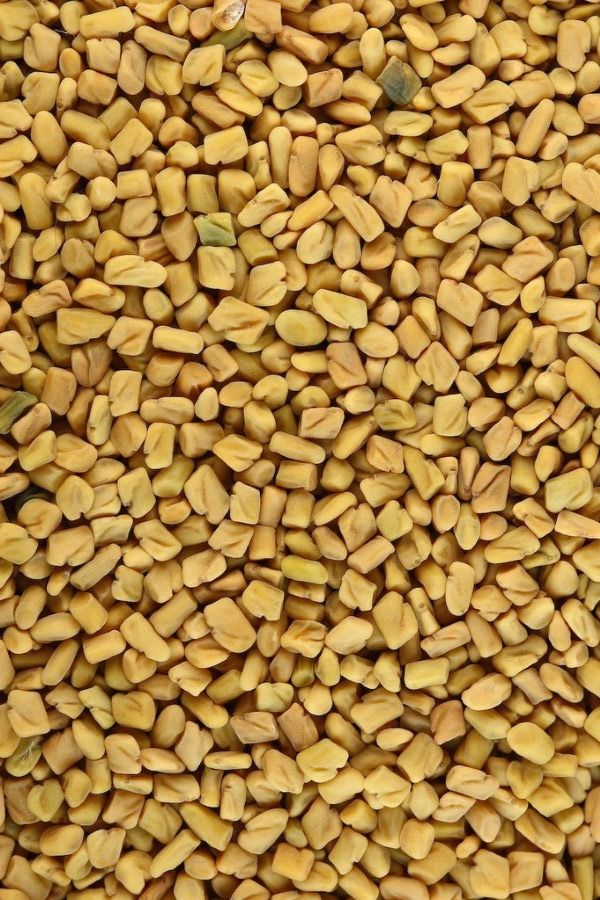
Fenugreek
Pure and potent Fenugreek herbs, harvested sustainably and processed to preserve natural benefits.
Min. Order
100 Kg
Start Your Export Journey with Us
Get expert guidance on sourcing, compliance, and global logistics for your B2B trade business.