
XP-0042 Fresh Fruits
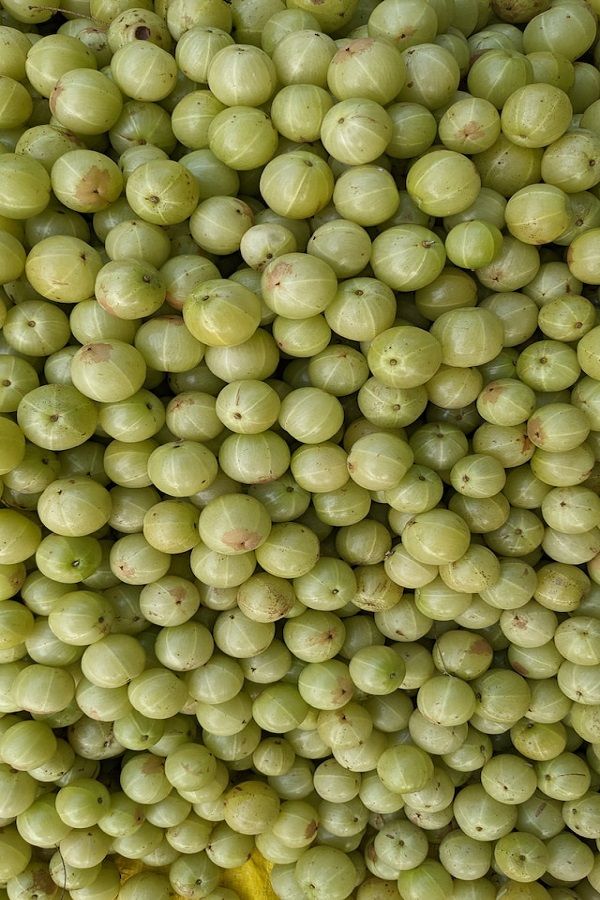
Amla
Premium fresh Amla with exceptional vitamin C and antioxidant content. Hand-picked, perfectly graded, ideal for wellness and food industries.
APEDAGlobal GAPPhytosanitary Certificate
Min. Order
1 Metric Ton
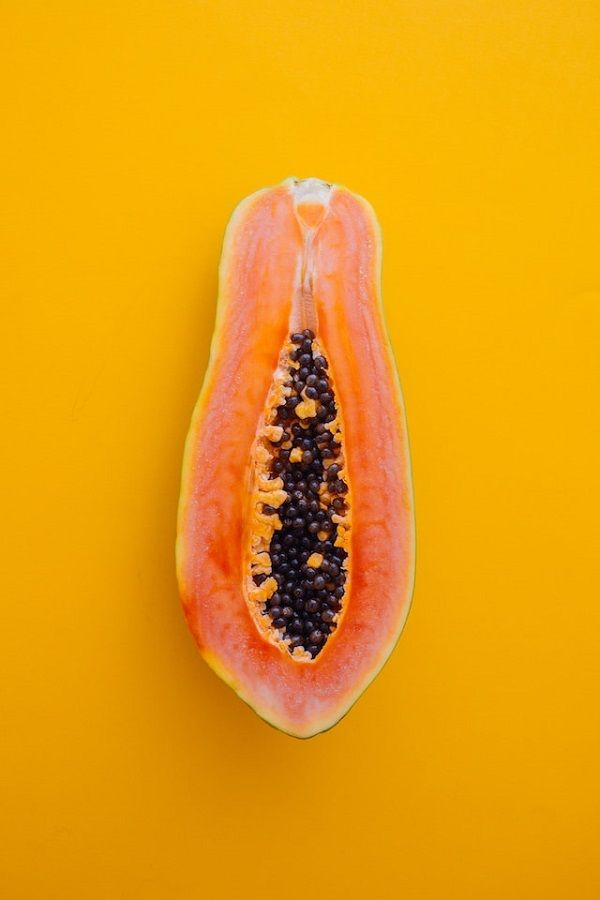
Succulent and nutritious Papaya, farm-fresh and packed with advanced cooling techniques for long shelf life.
Min. Order (MOQ)
1 Metric Ton
HS Code
0803
Origin
India
Price Range
Price on Request
Export Documents
Available Bag Sizes
Available Bag Types
India is the world's largest papaya producer, with annual production of 5–6 million tonnes concentrated across Andhra Pradesh, Tamil Nadu, Karnataka, Odisha, Gujarat, and Maharashtra, enabling genuine year-round supply across all seasons. The leading export cultivars are Red Lady and Solo-type, selected for their firm deep-orange flesh, uniform size, high vitamin C and beta-carotene content, and transport resilience compared to soft commercial varieties grown purely for domestic consumption. As a climacteric fruit harvested at colour-break stage (25% yellow, firm-mature), papaya continues ripening during transit, enabling managed sea or air freight with cold-chain at 10–13°C extending shelf life to 14–21 days.
B2B buyers source Indian papaya across three commercial grades. Premium Export Grade — hand-sorted, single-layer carton-packed with deep-orange flesh — serves Gulf modern trade, European specialty retail, and selective North American importers at a 20–30% premium over standard grade. Standard Export Grade supplies Gulf and South Asian wholesale channels at the base reference price. Processing Grade (bulk, riper fruit) feeds industrial buyers for papaya pulp/purée, juice manufacturing, and the extraction of papain — the proteolytic enzyme used in meat tenderisers, pharmaceutical formulations, contact-lens cleaners, and cosmetics. Papain is among India's highest-value papaya derivatives and positions India uniquely in the phyto-chemical supply chain.
Export compliance for fresh papaya requires APEDA registration, a phytosanitary certificate from India's Plant Protection Quarantine & Storage organisation, and pesticide residue reports within destination MRL limits. Fruit-fly quarantine protocols are required for several destinations, including hot-water immersion or vapour heat treatment for markets such as Australia and Taiwan. For industrial pulp and papain buyers, ISO 22000 and HACCP certification at processing facilities is the standard expectation. Papaya ships from Nhava Sheva, Chennai, and Mundra ports in standard or reefer containers (10–13°C) with typical lead times of 7–15 days from harvest to loading.
India competes against Brazil in premium fresh papaya markets and against Southeast Asian low-cost suppliers in wholesale segments. The sustainable advantage lies in production scale (no other country matches India's volume), cost-competitive FOB pricing 30–40% below Brazilian equivalents, and the country's unique capacity to serve both the perishable fresh-retail and the high-margin papain industrial markets simultaneously. The most significant growth opportunity is expanding beyond commodity fresh export into value-added papain enzyme supply and aseptic papaya puree for the functional-food and infant-nutrition industries.
As a leading manufacturer and exporter in India, IndianXporter ensures that our Papaya meets the stringent quality requirements of international markets. Our robust supply chain allows us to fulfill bulk orders consistently, offering highly competitive FOB and CIF pricing to our B2B partners worldwide.
Our processing facilities are equipped with state-of-the-art machinery, ensuring that every shipment of Papaya is thoroughly sorted, cleaned, and graded. We adhere to global food safety and industrial standards, backed by third-party inspections from agencies like SGS upon buyer request.
Regional cultivars available for bulk export
Red Lady
Hybrid. Red-orange flesh, high sweetness, long shelf life.
Pusa Dwarf
Compact plant, early fruiting, suitable for container shipping.
Washington
Large fruit, yellow flesh. Popular for papain extraction.
Specific variety available on request — mention in your RFQ.
Papaya (Carica papaya) is a tropical climacteric fruit prized globally for its sweet orange flesh, high vitamin C and beta-carotene content, and the digestive enzyme papain. India is the world's largest papaya producer (~5–6 million tonnes annually), with cultivation concentrated in Andhra Pradesh, Tamil Nadu, Karnataka, Odisha, Gujarat, and Maharashtra, enabling year-round supply.
The leading export cultivars are 'Red Lady' and 'Solo'-type, valued for firm flesh, uniform size, and transport resilience. As a climacteric fruit, papaya is harvested at colour-break (firm-mature) stage and ripens during transit or at destination, allowing managed sea and air freight. Cold-chain at 10–13°C extends shelf life to 14–21 days. India competes against Brazil (premium positioning) and Southeast Asian low-cost exporters, supplying high-volume Gulf and South Asian wholesale markets while building premium retail and processed (pulp, papain) channels.
| Botanical Name | Carica papaya |
| Primary Export Cultivar | Red Lady, Solo-type, Taiwan-786 |
| Origin Zones | Andhra Pradesh, Tamil Nadu, Karnataka, Odisha, Gujarat |
| Fruit Weight | 400–800 g (premium); up to 1.2 kg (standard) |
| Flesh Colour | Deep orange to red — high carotenoid content |
| TSS (Brix) | ≥11–13° Brix at ripeness |
| Colour at Shipment | Colour-break / 25% yellow (firm-mature) |
| Firmness | Firm-mature at harvest; ripens in transit |
| Pesticide Residue | Within destination MRL limits — lab-certified |
| Grade | Export Grade / Premium / Standard |
Premium Export Grade
Processing: Hand-sorted, washed, size-graded, single-layer carton-packed
Colour: Uniform colour-break, deep-orange flesh
Use Case: Premium retail in Gulf, Europe, and selective North America
+20–30% over standard grade
Standard Export Grade
Processing: Graded, cleaned, basic carton packing
Colour: Minor skin variation acceptable
Use Case: Gulf and South Asian wholesale and traditional retail
Base reference grade
Processing Grade
Processing: Bulk, for pulp/puree and papain extraction
Colour: Ripeness prioritised over cosmetic appearance
Use Case: Papaya pulp, juice, papain enzyme, functional foods
Varies with processed output
Prices are indicative. Request a formal quote for contractual pricing.
| Grade | FOB Price (USD/MT) | Notes |
|---|---|---|
| Premium Export Grade | $0.70–$1.20/kg | Gulf and European retail |
| Standard Export Grade | $0.50–$0.80/kg | Gulf and South Asian wholesale |
| Processing Grade | $0.30–$0.50/kg | Pulp, juice, and papain extraction |
Price Influencing Factors
Brazil is the premium global papaya exporter supplying Europe and North America with branded, uniform fruit. India is the world's largest producer but exports modestly, focusing on Gulf and South Asian wholesale and competing on price and proximity.
| Aspect | 🇮🇳 India | 🌏 Brazil |
|---|---|---|
| Production Scale | ~5–6M MT/yr — world #1 producer | ~1–1.5M MT/yr but premium #1 exporter |
| Export Position | Modest; high-volume regional wholesale | Dominant premium retail exporter |
| Primary Markets | UAE, Saudi Arabia, Bangladesh, Nepal | EU, USA, Canada |
| Cold-Chain Maturity | Improving; reefer for long haul | Highly integrated premium cold-chain |
| Price (FOB) | $0.30–$1.20/kg | $1.50–$2.50+/kg (premium retail) |
Fresh Retail & Wholesale
Premium papaya for Gulf supermarkets; standard grade for wholesale markets across South Asia and the Middle East.
Pulp, Juice & Beverages
Processing-grade fruit for papaya pulp, concentrate, juice, and ready-to-drink beverages.
Papain & Functional Ingredients
Papaya latex and fruit for papain enzyme extraction used in pharma, meat tenderiser, and supplement industries.
HORECA & Foodservice
Bulk papaya for hotels, catering, and dessert applications across the Gulf hospitality sector.
Primary Supply Origins
India
World's largest producer (~5–6M MT)Year-round southern-zone supply; modest export share, strong domestic use.
Brazil
Premium #1 exporterBranded uniform fruit dominating EU and North American retail.
Mexico & Southeast Asia
Major exportersSupply North American and regional Asian markets respectively.
Key Consumption Nodes
UAE — Jebel Ali
Primary Gulf import and re-export hub; retail and wholesale demand.
Saudi Arabia & Oman
Growing modern-trade and wholesale import at competitive pricing.
Bangladesh & Nepal
Steady wholesale demand; proximity and land-border advantage.
Europe
Premium retail and processing demand; strict MRL and quality requirements.
Papaya occupies a significant niche in the global tropical fruit trade, valued at approximately $1.2-1.5 billion annually. India is the world's second-largest papaya producer (after Brazil) and a leading exporter, with production concentrated in tropical regions offering year-round supply. The market is bifurcated: premium export-grade fruit targeting developed markets and high-volume commodity supply to neighboring countries. Papayas offer strong nutritional value, extended shelf life (14-21 days), and climacteric ripening capabilities, making them well-suited for long-distance export.
Market Size
Global papaya trade: ~$850M-1.1B annually; India's export value: ~$80-110M (growing 8-10% YoY)
Growth Rate
~8-10% CAGR — driven by growing awareness of papaya's nutritional benefits (digestive enzymes, vitamin C), expansion in Southeast Asian and Middle Eastern markets, and increasing modern retail penetration
Core Demand Drivers
Supply Dynamics
India's papaya production is concentrated in tropical regions: Andhra Pradesh, Tamil Nadu, Karnataka, Odisha, and Maharashtra. Year-round availability is supported by diverse cultivation zones with multiple harvest cycles. Climacteric ripening allows harvest at firm-mature stage and ripening management at destination, enabling extended logistics. Supply peaks during summer months (March-July); off-season supply is maintained through cooler-region cultivation.
⚠ India Risk Factor
Competition from Brazil (world's largest producer, premium positioning) and Southeast Asian exporters (lower cost) pressures pricing. Fruit fly and papaya ring spot virus pose production risks, particularly in monsoon seasons. Post-harvest losses due to inadequate cold-chain infrastructure in some regions. Price volatility driven by domestic consumption swings.
Future Outlook
Premium cultivars (GMO-free, organic certification) and high-health attributes will command 25-35% premiums. Value-added papaya products (enzyme extracts, freeze-dried) will expand margins beyond fresh fruit. Direct-to-retailer supply chains in modern trade will improve pricing. Sustainable farming certifications and residue-free production will become market requirements.
| Product Type | HS 6-Digit | ITC-HS 8-Digit | Description |
|---|---|---|---|
| Fresh Papaya | 0807.20 | 08072000 | Papaws (papayas), fresh |
| Standard | Code / Reference | Note |
|---|---|---|
| APEDA Export Registration | APEDA Certificate | Mandatory for fresh fruit exports; includes MRL conformity |
| Phytosanitary Certification | IPPC | Plant quarantine certificate; fruit-fly protocols for some markets |
| Global GAP | GLOBALG.A.P. IFA | Valued by premium retail buyers |
| FSSAI | FSS Act 2006 | Indian food safety registration |
Shelf Life
14–21 days at 10–13°C and 85–90% RH; 5–7 days ambient at ripeness
Storage Conditions
Store at 10–13°C — papaya is chilling-sensitive below 10°C. Harvest at colour-break and manage ripening at destination. Separate from high-ethylene fruits during storage.
Container Type
Reefer container at 10–13°C with single-layer cartons; ethylene management for controlled ripening
Storage Advantage
Climacteric ripening allows firm-mature harvest and destination ripening, enabling managed sea and air freight to regional markets
Bulk supply for various manufacturing, processing, and distribution sectors. High-purity technical grades available for industrial procurement and technical application.
Standard
Technical Grade
Supply
Bulk Only
Standard Packaging
Export Standard Cartons / Palletized
Private Label / OEM
Custom Packaging & OEM Support Available
Port of Loading
Nhava Sheva (Mumbai) or Mundra Port
Incoterms
FOB, CIF, CFR accepted
IndianXporter successfully exports Papaya to major international markets. Click your region below to view destination-specific compliance and shipping details.
Establish your own brand in the international market. We provide end-to-end custom white-label packaging and branding solutions for retail distribution. Get retail-ready Papaya under your brand name with our expert OEM services.
Retail Ready
From Design to Delivery
We provide market-specific compliance documentation for each destination. Contact us for country-specific certifications.
Related
Premium fresh Amla with exceptional vitamin C and antioxidant content. Hand-picked, perfectly graded, ideal for wellness and food industries.
Min. Order
1 Metric Ton
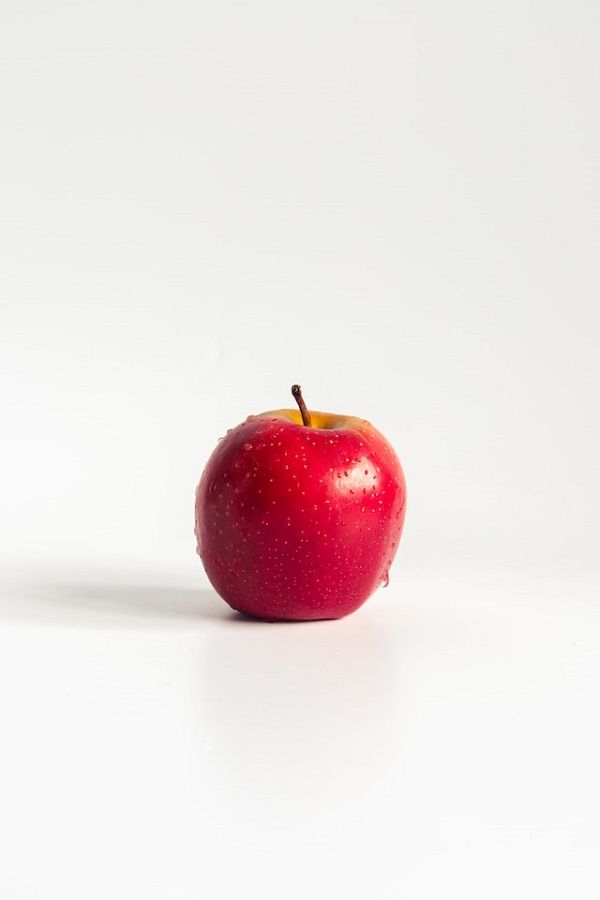
Fresh, premium quality apples sourced from the best orchards, ensuring peak ripeness and superior taste for international export.
Min. Order
1 Metric Ton
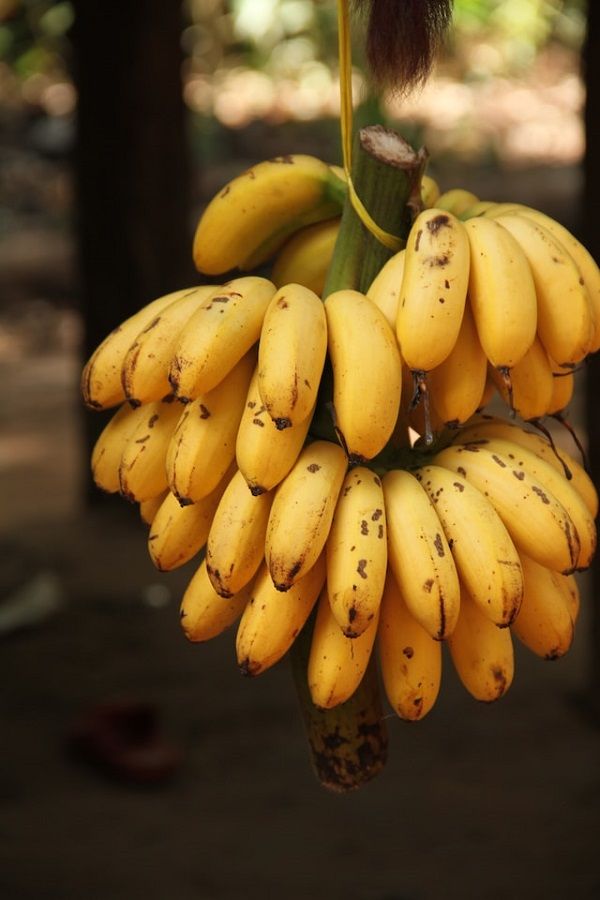
Succulent and nutritious Banana, farm-fresh and packed with advanced cooling techniques for long shelf life.
Min. Order
1 Metric Ton
Country-specific compliance, ports and CIF pricing for bulk papaya shipments.
Industry-grade papaya supply with technical COA and specifications.