
XP-0042 Fresh Fruits
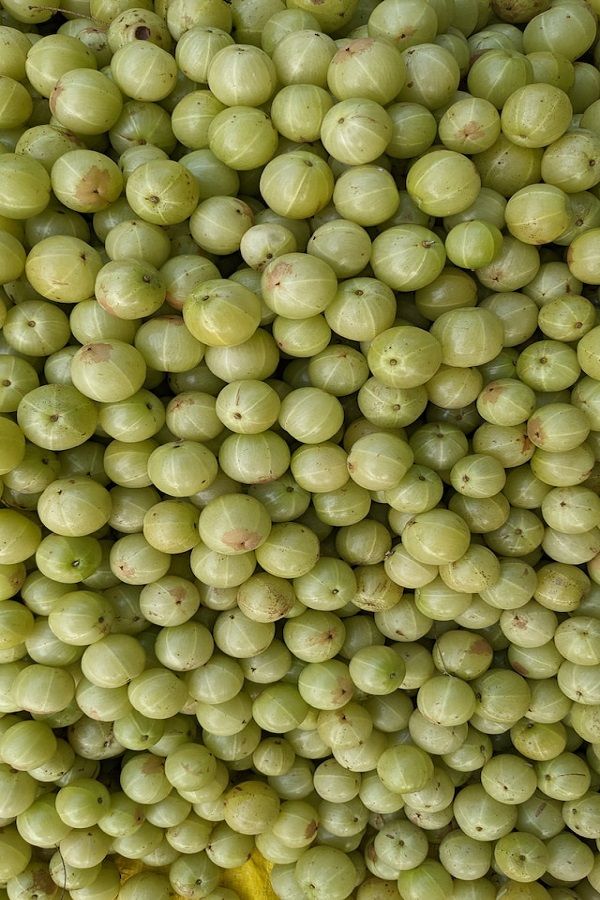
Amla
Premium fresh Amla with exceptional vitamin C and antioxidant content. Hand-picked, perfectly graded, ideal for wellness and food industries.
APEDAGlobal GAPPhytosanitary Certificate
Min. Order
1 Metric Ton
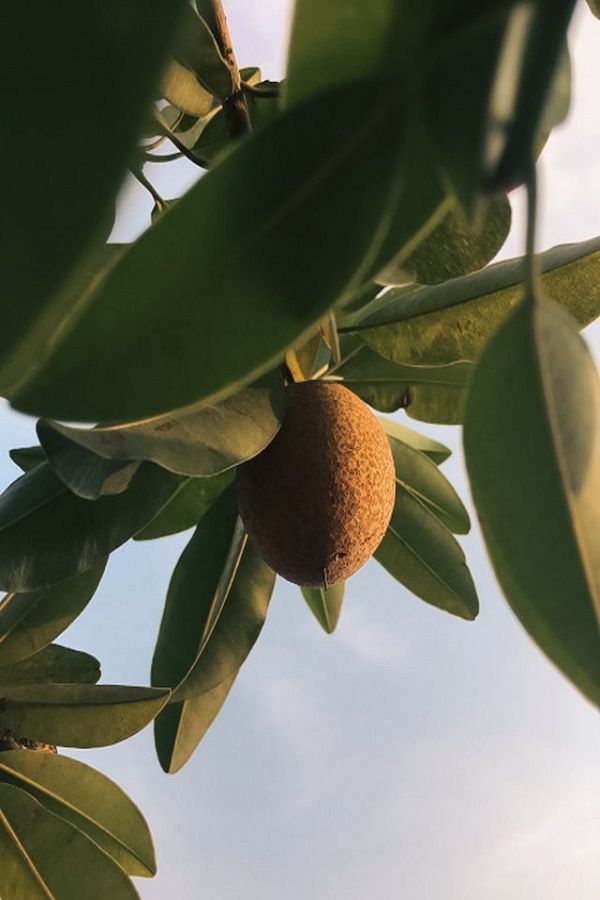
Succulent and nutritious Sapota, farm-fresh and packed with advanced cooling techniques for long shelf life.
Min. Order (MOQ)
1 Metric Ton
HS Code
0803
Origin
India
Price Range
Price on Request
Export Documents
Available Bag Sizes
Available Bag Types
Sapota (Manilkara zapota), widely known across India as chikoo, is a tropical climacteric fruit endemic to Central America but now deeply cultivated across India's warm coastal and semi-arid zones. India is the world's second-largest sapota producer at 1.2–1.4 million tonnes annually, with Gujarat (Junagadh, Bhavnagar) producing the most export-significant volumes, followed by Maharashtra (Ahmednagar) and Tamil Nadu. The export cultivars are Kalipatti and Cricket Ball, both selected for their firm brown-skinned texture, 18–20° Brix natural sweetness — among the highest of any commercially traded tropical fruit — and transport resilience compared to softer local cultivars. Sapota is harvested at firm-mature stage and ripens post-harvest (softening over 4–7 days), making it compatible with both sea freight (cold-stored at 8–10°C) and ambient air freight for premium lots.
B2B buyers source Indian sapota primarily through two commercial grades. Premium Export Grade — hand-sorted, washed, polished, size-graded (6–10 fruits/kg), carton-packed in foam netting — targets premium modern retail in the Gulf (UAE, Qatar, Saudi Arabia), Southeast Asia, and selective European South Asian grocery outlets at USD 0.90–1.40/kg FOB. Standard Export Grade (light to medium brown, minor skin variation acceptable) supplies South Asian and Gulf wholesale and traditional retail at USD 0.60–0.90/kg. Processing Grade — softer or cosmetically imperfect fruit — feeds juice, pulp, and sapota paste manufacturing at USD 0.30–0.50/kg. Sapota pulp is used in ice cream, milkshakes, and flavoured beverages across the Gulf and South Asian processed-food industry.
Export compliance for fresh sapota requires APEDA registration, a phytosanitary certificate from India's plant quarantine authority, and pesticide residue reports within MRL limits for destination markets. Sapota does not require reefer cold chain for ambient regional trade to Bangladesh, Nepal, and Gulf markets, making it one of the few fresh tropical fruits that can ship competitively in standard ventilated containers to regional destinations — a significant logistics cost advantage. For longer-haul premium shipments, cold storage at 8–10°C extends shelf life from the 10–14 day ambient window to 21–30 days. The primary phytosanitary risk is fruit-fly infestation, managed through orchard-level integrated pest management and mandatory phytosanitary clearance.
India's competitive advantage in global sapota trade is its near-monopoly on supply volume — no other country produces sapota at a scale comparable to Gujarat and Maharashtra, making India the default origin for any commercial buyer seeking consistent, graded supply. The primary growth opportunity lies in expanding sapota pulp and aseptic purée exports for functional-food and beverage applications — sapota's natural 18–20° Brix sweetness and distinctive caramel-like flavour profile position it uniquely in premium ice cream flavour manufacturing and as a natural sweetener ingredient for the clean-label food industry.
As a leading manufacturer and exporter in India, IndianXporter ensures that our Sapota meets the stringent quality requirements of international markets. Our robust supply chain allows us to fulfill bulk orders consistently, offering highly competitive FOB and CIF pricing to our B2B partners worldwide.
Our processing facilities are equipped with state-of-the-art machinery, ensuring that every shipment of Sapota is thoroughly sorted, cleaned, and graded. We adhere to global food safety and industrial standards, backed by third-party inspections from agencies like SGS upon buyer request.
Sapota (Manilkara zapota), also known as chikoo, is a tropical stone fruit prized across South Asia, the Middle East, and increasingly in Southeast Asia for its sweet, grainy flesh and natural sugar content. India is the world's second-largest sapota producer after Mexico, with annual production around 1.2–1.4 million tonnes concentrated in Gujarat (Junagadh, Bhavnagar), Maharashtra (Ahmednagar), and Tamil Nadu. The export cultivar is primarily 'Kalipatti' and 'Cricket Ball,' valued for their firm texture, high TSS (total soluble sugars), and transport resilience.
Sapota is a climacteric fruit — it continues ripening post-harvest — making it suitable for sea freight. The fruit is harvested at firm-mature stage (light brown skin, slight give on pressure), then air-shipped or sea-freighted in well-ventilated cartons with ripening management at destination. Unlike banana, sapota has no cold-chain dependency and can tolerate ambient shipment, though cold storage (8–10°C) extends shelf life. India's sapota exports have remained steady but modest (~8–12K MT annually) compared to production, reflecting high domestic consumption and competition from Mexican premium fruit in Western retail.
| Primary Export Cultivar | Kalipatti, Cricket Ball |
| Origin Zones | Gujarat (Junagadh, Bhavnagar), Maharashtra (Ahmednagar), Tamil Nadu |
| Size (Count per kg) | 6–10 fruits / kg (premium grade); up to 12–14 / kg (standard) |
| Diameter | 60–75 mm (premium); 50–65 mm (standard) |
| Colour at Shipment | Light brown, skin may soften slightly during transit |
| TSS (Total Soluble Sugars) | ≥18–20° Brix at ripeness — key quality metric |
| Acidity (Citric Acid) | 0.3–0.6% |
| Firmness | Firm-mature at harvest; mellows during ripening |
| Moisture Content | ~67–72% |
| Grade | Export Grade / Premium / Standard |
Premium Export Grade
Processing: Hand-sorted, washed, polished, graded for size & colour, carton-packed
Colour: Bright light brown, uniform
Use Case: Premium modern retail in Gulf, Southeast Asia, and selective European outlets
+20–30% over standard grade
Standard Export Grade
Processing: Graded, cleaned, basic packaging
Colour: Light to medium brown, minor skin variation acceptable
Use Case: Wholesale and traditional retail markets in Middle East and South Asia
Base reference grade
Grade B / Processing
Processing: Bulk graded, minimal sorting
Colour: Mixed, soft fruits permitted
Use Case: Juice, pulp, and fruit processing
-30–40% below standard
Prices are indicative. Request a formal quote for contractual pricing.
| Grade | FOB Price (USD/MT) | Notes |
|---|---|---|
| Premium Export Grade | $0.90–$1.40/kg | GCC and selective European retail |
| Standard Export Grade | $0.60–$0.90/kg | South Asia, Gulf wholesale |
| Grade B / Processing | $0.30–$0.50/kg | Industrial and juice use |
Price Influencing Factors
Mexico is the world's largest sapota producer and premium exporter, supplying USA and Europe with branded, uniform fruit. India is larger by volume but focuses on regional South Asian and Gulf trade, competing on price and proximity rather than retail positioning.
| Aspect | 🇮🇳 India | 🌏 Mexico |
|---|---|---|
| Production Scale | ~1.2–1.4M MT/yr — world #2 | ~0.6M MT/yr but #1 exporter and premium position |
| Export Volume | ~8–12K MT/yr; modest vs production | ~250–300K MT/yr — dominant global exporter |
| Premium Cultivars | Kalipatti, Cricket Ball — good sweetness, variable uniformity | Mamey Negro and other superior cultivars, highly uniform |
| Primary Markets | UAE, Saudi Arabia, Bangladesh, Nepal | USA, Canada, Europe |
| Price (FOB) | $0.60–$1.40/kg | $2.00–$3.00+/kg (premium retail grade) |
Fresh Retail & Wholesale
Premium sapota for Gulf supermarkets; standard grade for traditional mandis and wholesale markets across South Asia.
Fruit Processing & Juice
Grade B and surplus fruit for sapota pulp, juice concentrate, and ready-to-drink beverages.
HORECA & Foodservice
Bulk sapota for hotels, catering, and airline provisioning across Gulf hospitality sector.
Gifting & Festive Trade
Premium cartons for festive gifting in Gulf and South Asian expat communities.
Primary Supply Origins
Mexico
~35% of global sapota tradeWorld's premium exporter; dominates USA and European retail channels.
India
~8–12K MT annually; modest share of own productionGujarat and Maharashtra drive exports; primarily to Gulf and South Asia.
Thailand & Indonesia
Minor exportersLimited export volumes; primarily regional Southeast Asia trade.
Key Consumption Nodes
UAE — Jebel Ali
Primary Gulf import hub; Re-export point to wider GCC and East Africa. Retail and wholesale demand.
Saudi Arabia & Oman
Growing modern-trade demand; price-sensitive wholesale import.
Bangladesh
Steady wholesale and retail demand; land-border logistics advantage.
Nepal
Traditional seasonal import market; Indian sapota dominates on proximity.
Sapota occupies a niche in the global tropical fruit trade: India is the world's second-largest producer but captures only a tiny fraction of global export value, with consumption heavily concentrated in South Asia and the Middle East. Unlike banana or mango, sapota lacks a dominant Western retailer following and remains a regional/ethnic-driven trade. This creates an opportunity for Indian exporters to own South Asian and Gulf markets while avoiding direct competition with Mexican premium fruit.
Market Size
Indian sapota exports: ~$6–10M annually (8–12K MT); domestic production ~$300M+ but mostly consumed domestically
Growth Rate
~2–4% CAGR — constrained by modest export focus and domestic-first orientation
Core Demand Drivers
Supply Dynamics
Production is concentrated in Gujarat, Maharashtra, and Tamil Nadu with a primary harvest window (May–August). Fruit is climacteric and can be harvested firm and ripened at destination, enabling year-round supply through careful harvest scheduling and cold storage. Strong domestic demand competes for premium fruit, limiting export-grade availability.
⚠ India Risk Factor
Commodity pricing pressure from Mexico and Thai fruit limits premium positioning. Harvest weather (drought, excessive rain) in Gujarat and Maharashtra can disrupt supply. Lack of branded, traceable supply chains compared to Mexican competitors. Post-harvest losses due to inadequate infrastructure in some regions.
Future Outlook
Growth will be driven by establishment of premium cultivars (e.g., organic Kalipatti), investment in cold-chain and ripening facilities, and niche positioning in Gulf/South Asian modern retail as a 'local exotic' vs Mexican premium. Direct-to-retailer supply chains and certification (organic, GlobalG.A.P.) offer differentiation paths.
| Product Type | HS 6-Digit | ITC-HS 8-Digit | Description |
|---|---|---|---|
| Fresh Sapota | 0809.30 | 08093000 | Sapota and other tropical fruits, fresh |
| Standard | Code / Reference | Note |
|---|---|---|
| APEDA Export Registration | APEDA Certificate | Mandatory for all fresh fruit exports; includes MRL/pesticide conformity |
| Phytosanitary Certification | IPPC ISPM-15 | Plant quarantine certificate required for most importing countries |
| Global GAP | GLOBALG.A.P. IFA | Optional but valued by premium buyers |
| FSSAI | FSS Act 2006 | Indian food safety registration |
Shelf Life
7–14 days at ambient (20–25°C); 21–28 days at 8–10°C cold storage
Storage Conditions
Sapota can tolerate ambient sea freight in well-ventilated containers. Cold storage extends shelf life and can slow ripening for off-season supply. Ethylene-producing fruits (apples, bananas) should be separated.
Container Type
Ventilated cartons or wooden crates for ambient; reefer containers for extended storage and premium destinations
Storage Advantage
No cold-chain dependency — uniquely suited for cost-effective ambient sea freight to South Asia and Middle East
Bulk supply for various manufacturing, processing, and distribution sectors. High-purity technical grades available for industrial procurement and technical application.
Standard
Technical Grade
Supply
Bulk Only
Standard Packaging
Export Standard Cartons / Palletized
Private Label / OEM
Custom Packaging & OEM Support Available
Port of Loading
Nhava Sheva (Mumbai) or Mundra Port
Incoterms
FOB, CIF, CFR accepted
IndianXporter successfully exports Sapota to major international markets. Click your region below to view destination-specific compliance and shipping details.
Establish your own brand in the international market. We provide end-to-end custom white-label packaging and branding solutions for retail distribution. Get retail-ready Sapota under your brand name with our expert OEM services.
Retail Ready
From Design to Delivery
We provide market-specific compliance documentation for each destination. Contact us for country-specific certifications.
Related
Premium fresh Amla with exceptional vitamin C and antioxidant content. Hand-picked, perfectly graded, ideal for wellness and food industries.
Min. Order
1 Metric Ton
Fresh, premium quality apples sourced from the best orchards, ensuring peak ripeness and superior taste for international export.
Min. Order
1 Metric Ton
Succulent and nutritious Banana, farm-fresh and packed with advanced cooling techniques for long shelf life.
Min. Order
1 Metric Ton
Country-specific compliance, ports and CIF pricing for bulk sapota shipments.
Industry-grade sapota supply with technical COA and specifications.