The Benefits of Direct-Farm Sourcing for B2B Importers in India
How transparency and farm-to-fork traceability improve your bottom line and product reliability.

The traditional Indian agricultural export supply chain involves 4–6 intermediary layers between the farm and the FOB container: farmer → village aggregator → district trader → state-level wholesaler → export house. Each layer adds margin, reduces traceability, and introduces a quality-substitution risk. Direct farm sourcing — working with Farmer Producer Organisations (FPOs) or factory-gate purchases from registered processing units — eliminates most of this chain. Here is what that means for B2B buyers in practice.
The Cost Arithmetic of Middlemen
A practical example: cumin seeds from Unjha, Gujarat.
The farmer’s gate price is approximately ₹200/kg for Grade 1 cumin. By the time the same cumin reaches an export warehouse in Mundra via the traditional trader chain, the price is ₹265–275/kg — a 30–37% markup for aggregation, transport, and multiple trader margins. An exporter sourcing directly from APEDA-registered FPOs in Rajasthan, skipping 3 of these layers, can offer the same grade at ₹225–235/kg FOB equivalent, passing real savings to the buyer while maintaining a sustainable margin.
For a 20-tonne FCL order, a 12% price reduction translates to approximately USD 3,500–4,500 per container in procurement savings at current prices — material at scale.
Traceability: Why It Matters Beyond Compliance
EU buyers increasingly require farm-level traceability for two regulatory reasons:
-
EUDR (EU Deforestation Regulation): Although primarily targeting soy, palm oil, coffee, and cocoa, the due diligence framework requires importers to show that supply chains do not originate from recently deforested land. Direct sourcing from named, geo-referenced farms provides this evidence chain.
-
RASFF incident response: If a pesticide contamination alert is raised for a cumin or turmeric lot at a European port, your customs team will ask for the exact farm origin of that shipment. Exporters sourcing through 4-layer trader chains cannot provide this data — you get a lot number but no farm address. Direct-sourcing exporters can provide GPS coordinates, farm inspection records, and pesticide application history.
How FPO-Based Direct Sourcing Works
Farmer Producer Organisations (FPOs) are cooperative structures that aggregate output from 200–2,000 small-scale farmers, providing collective bargaining power and shared infrastructure (sorting, grading, cold storage). NABARD and the Ministry of Agriculture have supported the formation of over 10,000 FPOs across India since 2015.
For export purposes, working with FPOs offers:
- Consistent volume: FPO can commit to contract quantities because it aggregates across multiple farms — reducing the single-farm weather risk
- Documented inputs: FPOs maintain farm-level input records (fertiliser type, pesticide applications, irrigation sources) that support the COA and buyer audit requirements
- Pre-sorting at source: Many FPOs operate their own primary cleaning and grading equipment, reducing the processing cost at the exporter’s facility
Quality Control Advantages of Direct Sourcing
When an exporter sources through the trader chain, they receive a mixed lot assembled from dozens of unknown farms — quality control operates retrospectively on what arrives at the warehouse. Direct sourcing reverses this: the exporter defines the specifications before harvest (moisture target, grade standard, pesticide-free protocol) and monitors compliance at the farm and FPO level before the product moves.
For buyers, this translates into:
- Reduced batch-to-batch quality variance (coefficient of variation on moisture and volatile oil content is typically 30–40% lower for directly sourced lots)
- Pre-arrival COA data that matches actual shipment quality (not a post-sampling surprise at destination)
- Faster resolution of quality disputes — the supply chain is documented and traceable
IndianXporter sources directly from APEDA-registered FPOs in Rajasthan (cumin, fenugreek), Kerala (cardamom, black pepper), and Andhra Pradesh (turmeric, chilli). All farm partners are registered on APEDA TraceNet, providing GPS farm-level traceability for every export lot.
Contact IndianXporter to discuss direct-farm sourcing contracts for your category — we offer trail LCL orders before full FCL commitment.
Featured Export Products
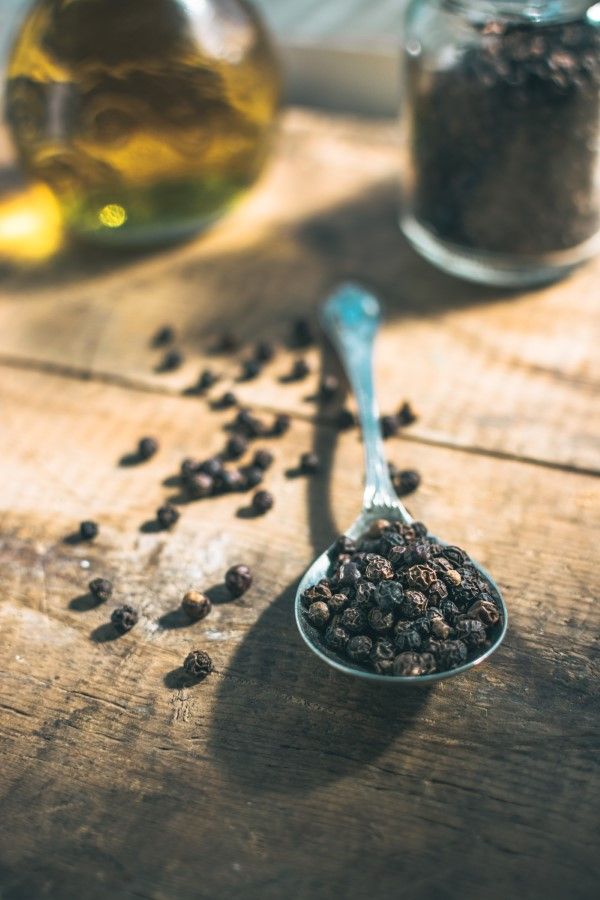
Black Pepper
Premium bold Black Pepper sourced from South India, dried and graded for superior flavor and international export.
Min. Order
500 kg
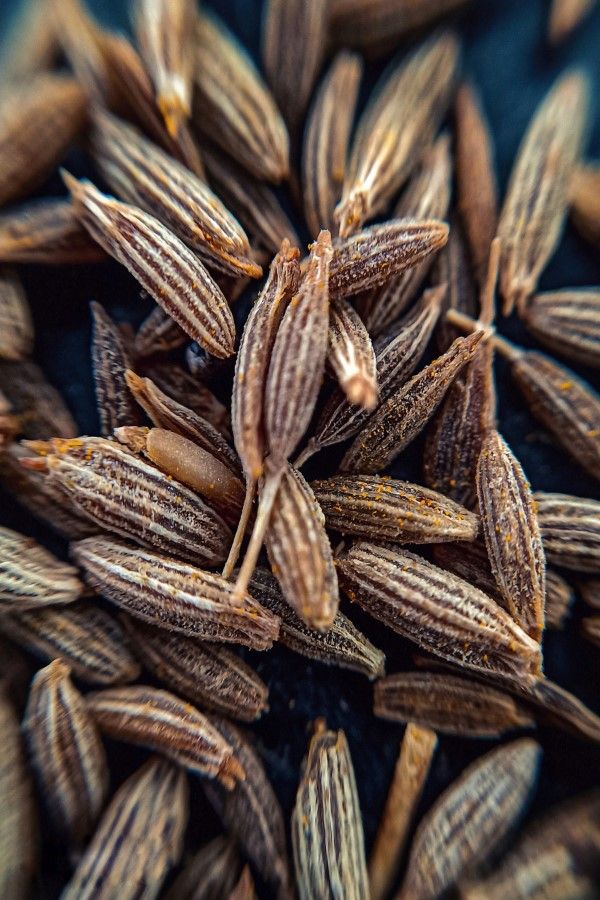
Cumin Seeds
Premium aromatic Cumin Seeds cleaned and graded to international standards, ideal for global culinary applications.
Min. Order
1 Metric Ton

Turmeric
Top-grade Turmeric with rich aroma and intense flavor, processed under hygienic conditions for global export.
Min. Order
500 Kg
Start Your Export Journey with Us
Get expert guidance on sourcing, compliance, and global logistics for your B2B trade business.