How to Manage Cold Chain Logistics for Fresh Fruit Exports from India
Critical success factors for exporting Mangoes, Grapes, and Pomegranates while maintaining shelf-life.
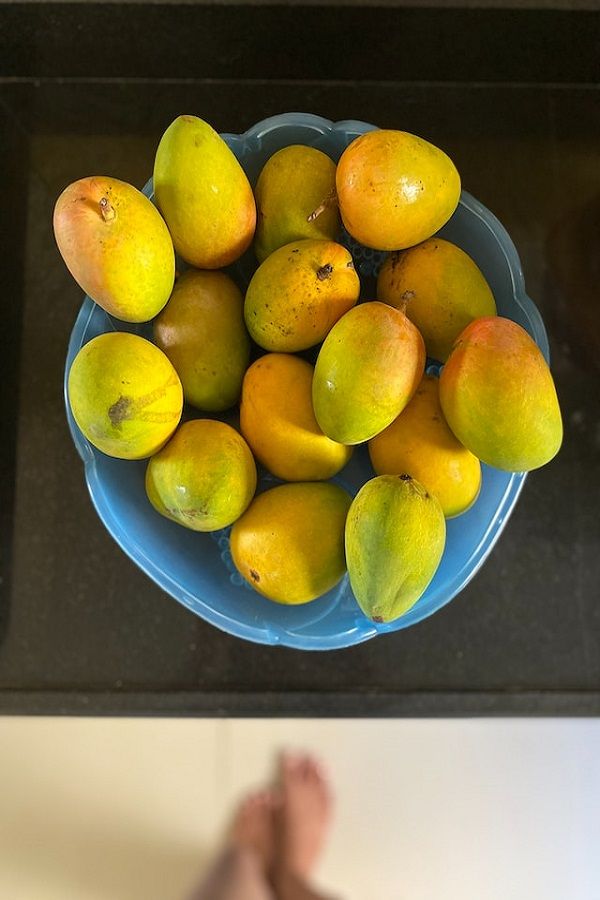
Fresh fruit exports from India — particularly mangoes, grapes, and pomegranates — represent one of the highest-risk, highest-margin segments in agricultural trade. The difference between a profitable shipment and a total loss often comes down to temperature management across a 15–40 day ocean transit. This guide breaks down the cold chain requirements, common failure points, and logistics best practices for importers and Indian exporters.
Why Cold Chain Failures Happen
India exported fresh fruits worth approximately USD 780 million in 2024-25, yet the estimated post-harvest loss rate for perishable exports remains at 10–15% of total shipped volume. Most losses trace back to three systemic failures:
- Pre-cooling gaps: Fruit loaded into reefer containers without adequate pre-cooling at the pack-house stage. The reefer unit can maintain temperature but cannot lower the pulp temperature of warm fruit.
- Transit temperature deviations: Port dwell time during vessel loading/unloading exposes containers to ambient heat, especially at Nhava Sheva in April–June when ambient temperatures exceed 38°C.
- Documentation mismatches: Health and phytosanitary certificates issued with incorrect temperature storage instructions cause customs holds at destination ports.
Temperature Requirements by Fruit
Understanding the correct temperature range for each commodity is the starting point:
| Fruit | Optimal Pulp Temp | Reefer Set Point | Shelf Life (days) |
|---|---|---|---|
| Alphonso Mango | 12–13°C | 13°C | 18–25 |
| Thompson Grape | 0–1°C | 0.5°C | 45–60 |
| Pomegranate | 5–7°C | 5°C | 60–90 |
| Kesar Mango | 11–12°C | 12°C | 20–28 |
Mangoes are particularly sensitive to chilling injury below 10°C, which causes surface pitting and internal browning that becomes visible only after the consumer purchases the fruit. Grapes tolerate much colder temperatures and benefit from Sulphur Dioxide (SO₂) generating pads inside cartons to suppress Botrytis mould growth.
Pre-Cooling and Pack-House Standards
For EU and UK market access, fresh fruit exporters must comply with EU Plant Health Regulation 2016/2031 and UK IPAFFS import requirements. APEDA’s Fresh Fruits and Vegetables protocol mandates:
- Pre-cooling facilities achieving 90% of target pulp temperature before container loading
- Cold storage at the pack-house with continuous temperature logging
- HACCP-compliant pack-house certification under GLOBALG.A.P. or equivalent
For mango exports to Japan, additional requirements include Vapour Heat Treatment (VHT) at approved APEDA VHT facilities to eliminate fruit fly (Bactrocera dorsalis) — a mandatory step since Japan prohibits conventional cold disinfestation for mangoes.
Port and Container Management
Nhava Sheva (JNPT) handles approximately 65% of India’s fresh produce exports. Key logistics considerations:
- Book reefer slots at least 10–14 days before vessel ETD; reefer plug points at NSICT and GTI terminals are constrained during peak mango season (April–July)
- Opt for container positioning at the pack-house (known as factory stuffing) rather than CFS stuffing to eliminate the uncontrolled break in the cold chain at the CFS yard
- Use carriers with real-time reefer monitoring platforms (MSC REEFER CONNECT, Maersk Remote Container Management) — this data is increasingly demanded by EU importers for food safety documentation
Mundra Port is the preferred gateway for grape exports from Nashik and Sangli. Adani Ports’ reefer infrastructure at Mundra has expanded significantly, with dedicated plugs and 24-hour monitoring available for high-value perishable containers.
Phytosanitary and Fumigation Documentation
Fresh fruits require:
- Phytosanitary Certificate from Plant Quarantine authorities (NPPO India) issued within 14 days of shipment
- Certificate of Origin (APEDA format for GI products like Alphonso mango)
- VHT Certificate (for Japan/South Korea/Australia bound mango)
- AGMARK grading certificate for certain grades
For EU-bound pomegranates, Annexure IV (specific requirements) under the EU Plant Health regime requires confirmation of absence of specific regulated pests including Aleurodicus dispersus and Thaumatotibia leucotreta.
Working With IndianXporter for Cold Chain Exports
IndianXporter coordinates fresh fruit exports via APEDA-registered pack-houses in Nashik (grapes, pomegranates) and Ratnagiri/Devgad (Alphonso mangoes). Our logistics team manages:
- Pack-house booking and container pre-cooling coordination
- Real-time temperature data sharing with the importer during transit
- Complete phytosanitary documentation for EU, UK, UAE, Japan, and Singapore market access
- LCL consolidation for buyers testing new SKUs below FCL volumes
Contact our fresh produce desk to discuss seasonal availability, FOB pricing, and cold chain protocols for your specific destination market.
Featured Export Products

Grapes
Succulent and nutritious Grapes, farm-fresh and packed with advanced cooling techniques for long shelf life.
Min. Order
1 Metric Ton
Mango
Succulent and nutritious Mango, farm-fresh and packed with advanced cooling techniques for long shelf life.
Min. Order
1 Metric Ton

Pomegranate
Succulent and nutritious Pomegranate, farm-fresh and packed with advanced cooling techniques for long shelf life.
Min. Order
1 Metric Ton
Start Your Export Journey with Us
Get expert guidance on sourcing, compliance, and global logistics for your B2B trade business.