Future Proofing Your Supply Chain: Why India is the Next Export Superpower
Exploring the infrastructure investments and trade policies making India the world's preferred B2B sourcing hub.

Over the past five years, the global sourcing landscape has undergone a structural shift. China+1 strategies, post-COVID supply chain diversification mandates, and the emergence of India’s Production Linked Incentive (PLI) schemes have collectively positioned India as the most consequential B2B sourcing hub for 2026 and beyond. This is not a short-term trade cycle — it represents a fundamental realignment of global manufacturing and agricultural supply chains.
India’s Export Growth in Numbers
India’s merchandise exports crossed USD 437 billion in 2024-25, a 6.7% year-on-year increase. Key verticals relevant to B2B international buyers:
- Agricultural and processed food exports: USD 53 billion (APEDA estimates), growing at 9% annually
- Chemical exports: USD 29 billion, India is now the world’s 6th largest chemical producer
- Pharmaceutical exports: USD 27 billion — India supplies 20% of global generic drug volumes
- Electrical and electronics: USD 31 billion, driven by mobile device manufacturing PLI incentives
For international importers, this diversification means Indian suppliers are increasingly available across categories, with the quality infrastructure to match global standards.
Infrastructure: The Game Changer
The single biggest transformation enabling India’s export growth is the Sagarmala Programme — the Government of India’s USD 82 billion port-led development initiative running from 2015 to 2035. Key developments affecting B2B importers:
Port Modernisation
- Nhava Sheva (JNPT): Capacity expansion to 10 million TEUs by 2028. The new Nhava Sheva International Container Terminal Phase 2 (NSICT-2) is operational, reducing vessel turnaround time from 52 hours to 32 hours.
- Mundra Port: India’s largest private container port now handles 1.8 million TEUs annually. Adani’s reefer infrastructure expansion has opened the port for year-round perishable exports.
- Vizhinjam Transshipment Port (Kerala): India’s first deep-water transhipment hub, operational from 2025, eliminates the cost of transhipping at Colombo or Singapore for Indian exports bound for Europe and the Americas.
Logistics Cost Reduction
The PM Gati Shakti National Master Plan has integrated rail, road, and port infrastructure data, reducing India’s logistics cost from 13–14% of GDP to a target of 8% by 2027. For exporters, this translates directly to lower ex-factory and FOB costs.
Trade Agreements Driving Preferential Access
India’s active trade agreement landscape is opening markets that were previously high-tariff or restricted:
- India-UAE CEPA (2022): Zero tariff on 90% of Indian goods entering UAE, including spices, textiles, pharma, and engineering products
- India-Australia ECTA (2022): Preferential tariffs on agricultural exports including wheat, rice, and processed foods
- India-UK FTA (2025 target): Under negotiation; expected to cover 85% of bilateral tariff lines
- India-EU FTA (ongoing): Would give Indian agro-exports preferential access to the world’s largest unified consumer market
For B2B buyers, sourcing from India during this window of agreement formation locks in pricing before tariff benefits shift competitive dynamics further in India’s favour.
Technology Adoption in Indian Manufacturing and Agriculture
The narrative of Indian exports is no longer just about cost arbitrage — it is about technology parity and, in some categories, technology leadership.
AgriTech: AI-driven crop monitoring deployed across 12 million hectares under ICAR and private initiatives is improving yield predictability and reducing quality variance. This matters to buyers who need consistent grade supply across multiple seasons.
Traceability Systems: APEDA’s TraceNet system now covers spices, fruits, and processed foods, providing lot-level traceability from farm to export port. EU buyers increasingly require this for EUDR (EU Deforestation Regulation) compliance.
Quality Infrastructure: India now has over 600 NABL-accredited testing laboratories, up from 200 in 2015. Third-party testing for pesticide residues, heavy metals, and microbiological parameters is now routine for every export consignment.
What This Means for B2B Buyers in 2026
The case for diversifying into Indian supply chains is stronger than at any point in the past two decades. The combination of competitive pricing, improving quality infrastructure, expanding certification landscape, and favourable trade agreements creates a procurement environment that rewards early movers.
Key sourcing categories to consider in 2026:
- Spices and herbs: India remains unchallenged for turmeric, cumin, pepper, and cardamom — with growing organic-certified volumes
- Pulses and grains: Reliable supply across chickpea, lentil, rice, and millets with improving post-harvest handling
- Nutraceutical ingredients: Ashwagandha, amla, and ginger extracts with EU and US certification
- Chemical intermediates: Specialty chemicals and API intermediates under PLI incentive programmes
- Electrical components: MCBs, circuit breakers, and wiring accessories meeting IEC and CE standards
Connect with IndianXporter’s export desk to evaluate how Indian supply can strengthen your procurement strategy for 2026 and beyond.
Featured Export Products
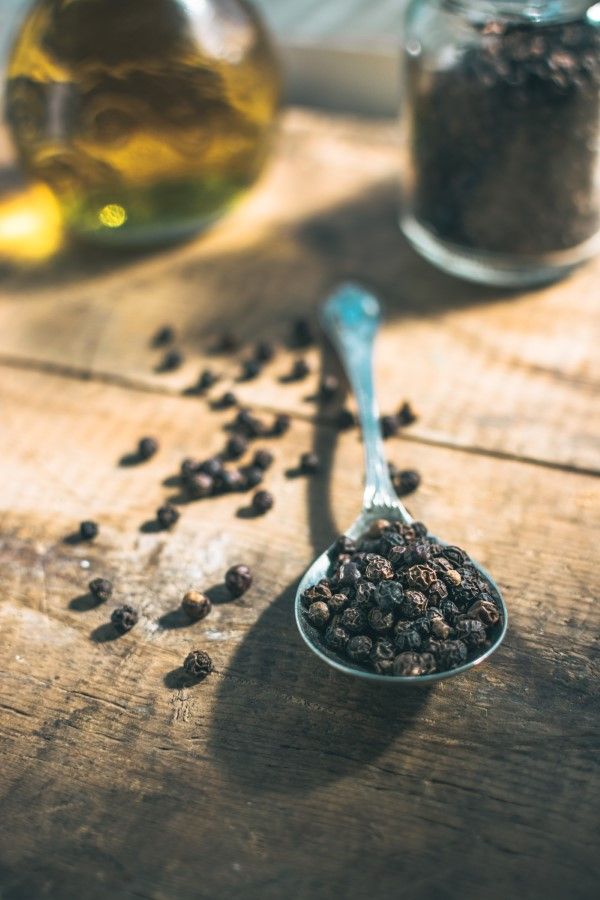
Black Pepper
Premium bold Black Pepper sourced from South India, dried and graded for superior flavor and international export.
Min. Order
500 kg
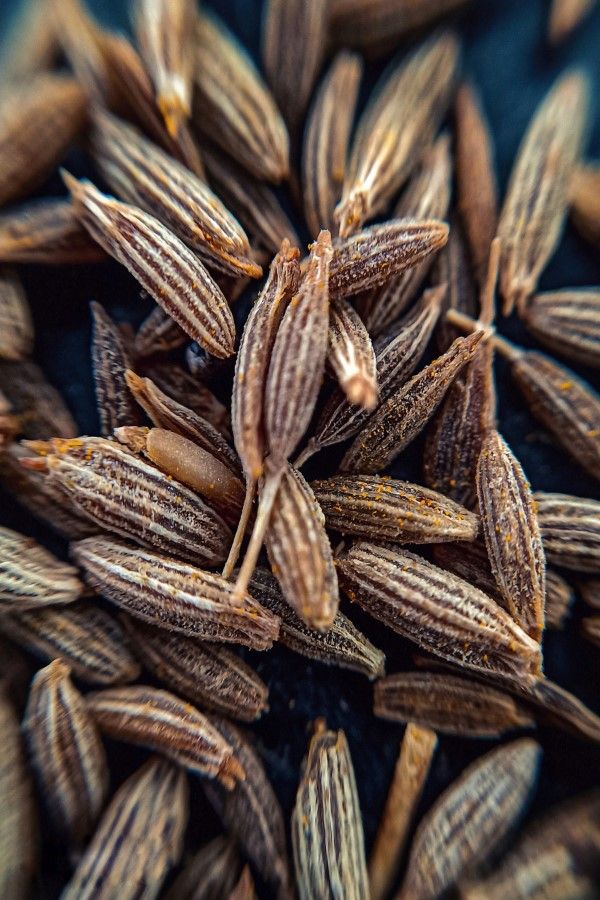
Cumin Seeds
Premium aromatic Cumin Seeds cleaned and graded to international standards, ideal for global culinary applications.
Min. Order
1 Metric Ton

Turmeric
Top-grade Turmeric with rich aroma and intense flavor, processed under hygienic conditions for global export.
Min. Order
500 Kg
Start Your Export Journey with Us
Get expert guidance on sourcing, compliance, and global logistics for your B2B trade business.