Why Indian Cumin Seeds are the Choice for European Food Manufacturers
Analyzing the purity, aroma, and pesticide-residue compliance of Indian Cumin seeds for the European market.

Cumin is the second most consumed spice globally after black pepper, and India supplies approximately 70–75% of the world’s cumin exports. For European food manufacturers — producing ready meals, charcuterie, cheese blends, bread, and ethnic cuisine products — Indian cumin from Rajasthan and Gujarat represents the gold standard for aroma intensity, oil content, and supply reliability. This guide explains what European buyers need to specify and what makes Indian cumin different from competing origins.
Why European Buyers Choose Indian Cumin Over Syrian or Turkish Origin
India’s main competition in European cumin supply comes from Syria, Turkey, and China. The preference for Indian origin among quality-focused buyers comes down to three factors:
1. Essential Oil Content Indian cumin (primarily from Unjha, Gujarat) consistently delivers volatile oil content of 2.5–4.0 ml/100g, significantly above Syrian (1.8–2.5 ml/100g) and Chinese (1.5–2.0 ml/100g) origins. The primary aromatic compound, cuminaldehyde, constitutes 25–40% of Indian cumin’s essential oil — this is what creates the characteristic warm, earthy aroma that food formulators pay for.
2. Supply Reliability and Volume India’s Gujarat and Rajasthan states together produce 250,000–300,000 metric tonnes of cumin annually. This scale provides European buyers with reliable FCL supply across all seasons, unlike smaller-origin suppliers where one weather event can disrupt annual contracts.
3. Price Competitiveness Indian cumin is typically 15–25% below Turkish origin pricing for equivalent quality grades, driven by India’s lower agricultural land costs and labour efficiencies.
EU Pesticide Compliance: The Critical Specification
European food manufacturers are acutely aware of cumin’s problematic history with the EU’s RASFF alerts. Cumin from India has appeared in RASFF notifications for ethylene oxide contamination — a fumigant that was formerly permitted in some markets but is now banned in the EU (MRL: 0.02 mg/kg). This has made EU buyers extremely specific about fumigation protocols.
What to specify in your purchase contract:
- No ethylene oxide treatment at any stage — this must be an explicit supplier declaration
- Phosphine fumigation only (where fumigation is required), with residue testing post-fumigation
- Full multi-residue pesticide panel covering 400+ compounds from NABL or EU-accredited laboratory
EU regulation EC 669/2009 subjects cumin to enhanced border control due to historical contamination frequency. This means a higher percentage of cumin consignments are sampled and tested at EU entry points. Working with a supplier that provides pre-shipment laboratory certificates reduces the risk of customs delays.
Grades and Specifications for European Markets
| Grade | Machine Cleaned | Volatile Oil | Moisture | European Application |
|---|---|---|---|---|
| Grade 1 (99% purity) | Double sortex | ≥3.0 ml/100g | ≤8% | Premium food manufacturing, organic |
| Grade 2 (98% purity) | Single sortex | ≥2.5 ml/100g | ≤9% | Standard food processing |
| FAQ (97% purity) | Basic cleaned | ≥2.0 ml/100g | ≤10% | Blending, oleoresin production |
For EU retail-facing products, Grade 1 double-sortex is the standard requirement. For oleoresin extraction, FAQ grade is acceptable and reduces procurement costs.
Unjha — The World’s Cumin Benchmark
The Unjha Agricultural Produce Market Committee (APMC) in Gujarat is the largest cumin trading market in the world. Prices quoted at Unjha market are the global reference benchmark — analogous to CBOT for corn or LME for copper.
For European buyers, Unjha-origin cumin offers the advantage of a well-documented provenance with established quality norms. Specifying “Unjha origin, Grade 1, 2.8 ml/100g minimum volatile oil” in your purchase order creates an unambiguous specification that both your supplier and your quality team can validate.
Packaging and Transit Requirements for EU Import
Standard export packaging: 20–25kg polypropylene (PP) woven bags, inner polyethylene liner, with new jute overlay for markets requiring natural fibre outer packaging.
For EU food manufacturing buyers, request food-grade PP bags with no recycled content — EU Regulation 10/2011 on plastic food contact materials requires documentation confirming compliance.
Transit temperature: cumin is not temperature-sensitive for standard ocean freight, but containers should not be co-loaded with moisture-generating cargo (fresh produce, etc.) to prevent condensation that can raise moisture content above specification.
Featured Export Products
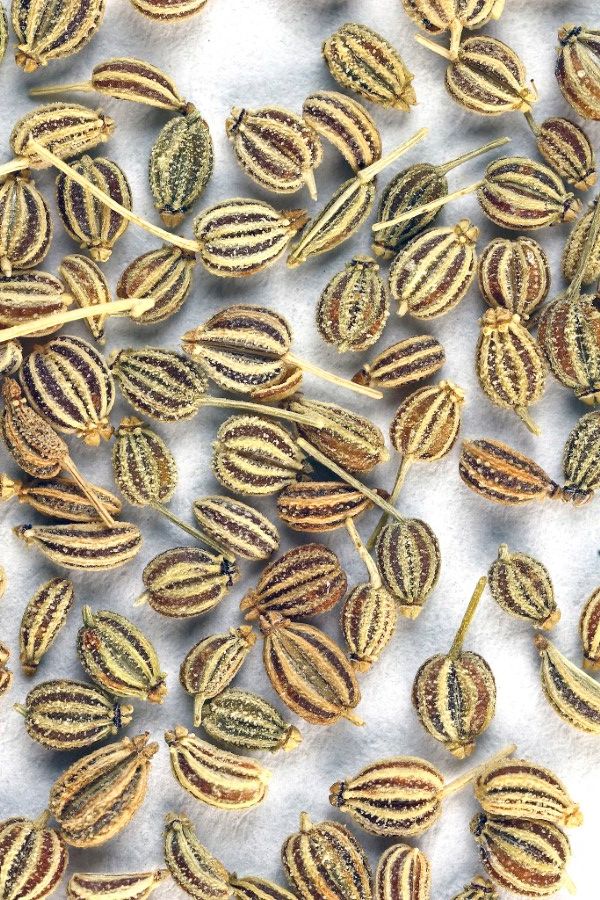
Carom Seeds
Authentic and clean Carom Seeds (Ajwain) with intense aroma and medicinal value, perfect for global spice markets.
Min. Order
200 kg
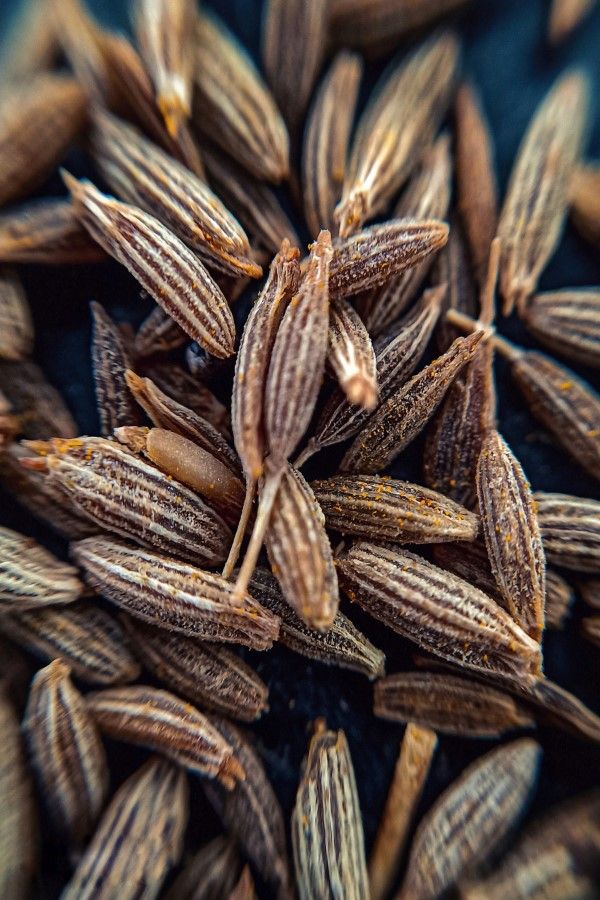
Cumin Seeds
Premium aromatic Cumin Seeds cleaned and graded to international standards, ideal for global culinary applications.
Min. Order
1 Metric Ton
Start Your Export Journey with Us
Get expert guidance on sourcing, compliance, and global logistics for your B2B trade business.