Exporting Organic Pulses from India: Challenges and Opportunities
Explore the growing market for Indian organic pulses like Chickpeas and Moong Dal in the EU and North American markets.
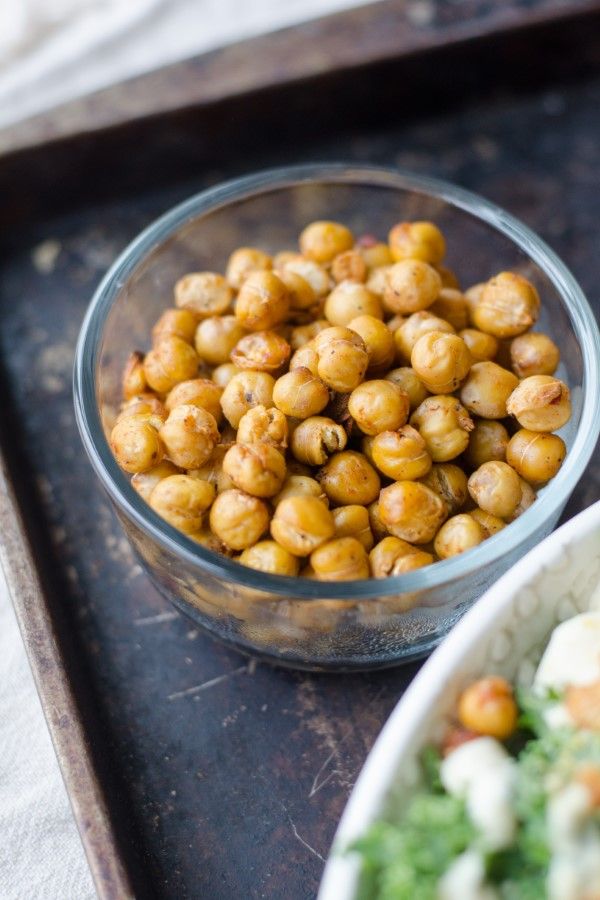
The global shift toward plant-based diets and clean-label consumption has made Indian Pulses one of the most sought-after organic commodity categories in international trade. India is the world’s largest producer and consumer of pulses, growing over 25 million tonnes annually across Madhya Pradesh, Rajasthan, Maharashtra, Uttar Pradesh, and Karnataka. Within that volume, the certified organic segment is expanding rapidly — driven by EU, UK, and North American retail demand for traceable, residue-free legumes.
The Organic Pulse Portfolio
India offers an unparalleled variety of organic pulses, each catering to specific global cuisines and nutritional applications:
- Chickpeas (Kabuli Chana): The primary raw material for hummus manufacturers in the USA and Europe. Large-count Kabuli (42–44 count per 100g) commands premium pricing for retail packs. Organic Kabuli from Rajasthan and Madhya Pradesh consistently achieves aflatoxin levels below 2 ppb — well within EU limits.
- Green Gram (Mung Bean): Surging demand in the nutraceutical sector, where processors extract protein isolates (60–70% protein concentrate) for sports nutrition. Organic whole moong also sells into the sprouting seed market in Germany, the Netherlands, and the USA.
- Red Lentils (Masoor Dal): A staple for gourmet soup brands in the Middle East and an ingredient in UK ambient food retail. Canadian and Australian red lentil production dominates globally, but Indian organic Masoor competes on price and offers year-round supply continuity.
- Toor Dal (Pigeon Pea): Exported primarily to the UK, UAE, and East Africa. India is the world’s largest producer, contributing over 75% of global output.
- Chana Dal (Split Bengal Gram): Widely used in South Asian diaspora food manufacturing. High fibre content makes it attractive for functional food formulators.
Navigating Organic Certifications
To export “Organic” pulses, the farm, the processor, and the exporter must hold valid, current certifications from an accredited body. The three certification frameworks that matter for major export markets are:
- NPOP (National Programme for Organic Production): India’s national standard, administered by APEDA. NPOP has mutual recognition with EU organic standards — an NPOP certificate is sufficient for export to the EU without re-certification.
- NOP (USDA Organic): Mandatory for shipments entering the US market under the “certified organic” label. Indian exporters must be certified by a USDA-accredited certifying agent — many international agencies (Control Union, Ecocert, LACON) issue both NPOP and NOP in combined scope.
- EU Organic (EC 834/2007 / 2018/848): Governs chemical residues, soil health, and input restrictions. The 2022 updated regulation (2018/848) tightened controls on pesticide contamination — even unintentional cross-contamination from neighbouring non-organic farms can trigger rejection.
Annual certificate renewal requires a farm inspection, input record audit, and soil/residue testing. Buyers should always request a current-year certificate — not just proof that the supplier was certified previously.
Processing for Zero Contamination
B2B buyers frequently cite “cross-contamination” between organic and non-organic processing lines as their primary concern when sourcing from multi-commodity Indian exporters. Reputable organic pulse exporters mitigate this through:
- Dedicated Organic Lines: Sortex machines, conveyors, and packing lines are physically flushed and cleaned before organic processing runs. Cleaning verification is documented in the internal HACCP log.
- Segregated Storage: Organic stock is warehoused in separate, labelled bays — not mixed with conventional product even temporarily.
- Sortex Purity: Optical sorting eliminates physical impurities (discoloured seeds, weed seeds, insect-damaged grains) without the use of chemicals, achieving less than 0.1% defects by count.
- COA Verification: Every batch is tested for pesticide multi-residue panels covering 200–500 compounds. A NABL-accredited laboratory COA with numeric results — not just a pass/fail statement — should accompany every shipment.
Market Pricing and Volume Benchmarks
Organic certification commands a consistent premium over conventional pulses: 20–35% above conventional FOB prices is the typical range for primary markets (EU, USA, UK). Indicative FOB Mumbai pricing for 2025–26:
| Product | Conventional | Organic Premium |
|---|---|---|
| Kabuli Chickpeas (42/44) | USD 890–920/MT | USD 1,100–1,180/MT |
| Red Lentils (Masoor) | USD 550–580/MT | USD 720–760/MT |
| Whole Green Gram | USD 780–820/MT | USD 980–1,050/MT |
Minimum order for organic certified lots is typically 1 × 20ft FCL (approximately 17–20 MT depending on product density) to ensure the certification overhead is commercially justified.
Supply Chain and Logistics
Organic pulses are sensitive to moisture and storage pests during ocean transit. Standard packaging and handling precautions:
- Oxygen Absorbers: Vacuum-packed bags with oxygen absorbers prevent insect infestation during 20–35 day sea transit to Europe and North America.
- Food-Grade Woven PP Bags: 25kg inner PE-lined bags or FIBC jumbo bags (500kg–1,000kg) for bulk industrial buyers. Organic product must be packed in unused, food-grade bags — recycled packaging is not permitted under NPOP/NOP.
- Batch Traceability: Each lot carries a unique batch ID traceable to the originating Farmer Producer Organisation (FPO) and farm cluster, supporting EU Deforestation Regulation (EUDR) due diligence and buyer audit requirements.
Lead time from purchase order to container loading is typically 21–30 days for certified organic lots — slightly longer than conventional because of the documentation chain (certificate verification, dedicated processing slot, NABL lab turnaround).
The Opportunity Ahead
The EU organic food market exceeded €60 billion in 2023 and continues growing at 8–10% annually. Organic pulses occupy a high-velocity category in retail — private label organic chickpeas and red lentils are now standard assortment in Lidl, Aldi, Carrefour, and Rewe. North American natural food retail (Whole Foods, Sprouts, Natural Grocers) maintains consistent replenishment volumes.
For importers building a private label organic pulse range, India offers origin variety, processing scale, and dual NPOP/NOP certification infrastructure that few other origins can match.
Contact our organic trade desk for copies of our latest NPOP and NOP certificates, pesticide residue COAs, and a detailed FOB quote for certified pulses tailored to your destination market.
Featured Export Products
Chickpea
High-protein Chickpeas available in Kabuli and Desi varieties, cleaned and graded for premium international standards.
Min. Order
1 Container (20ft)
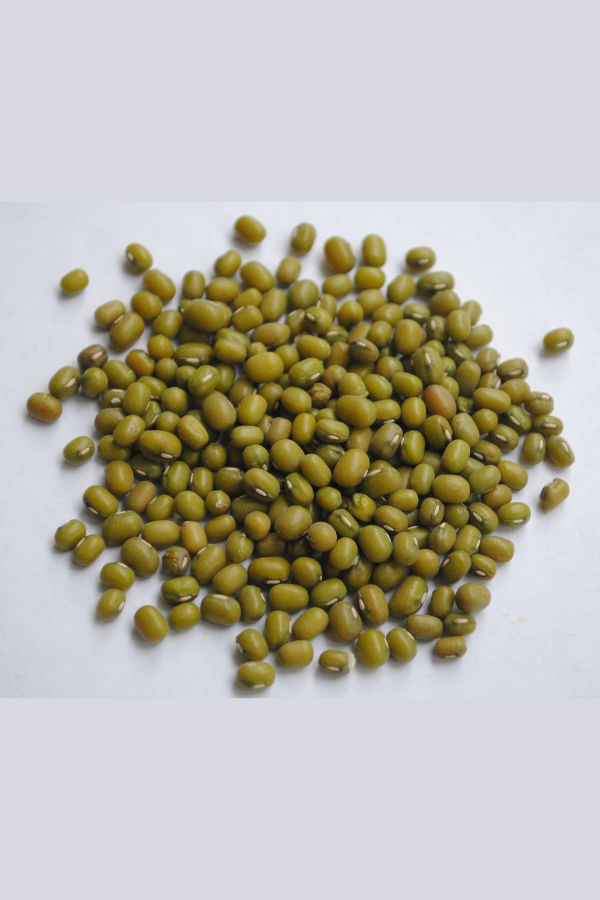
Green Gram / Mung Bean
Premium Green Gram / Mung Bean pulses, sorted and cleaned for uniform size and maximum nutritional value.
Min. Order
1 Metric Ton
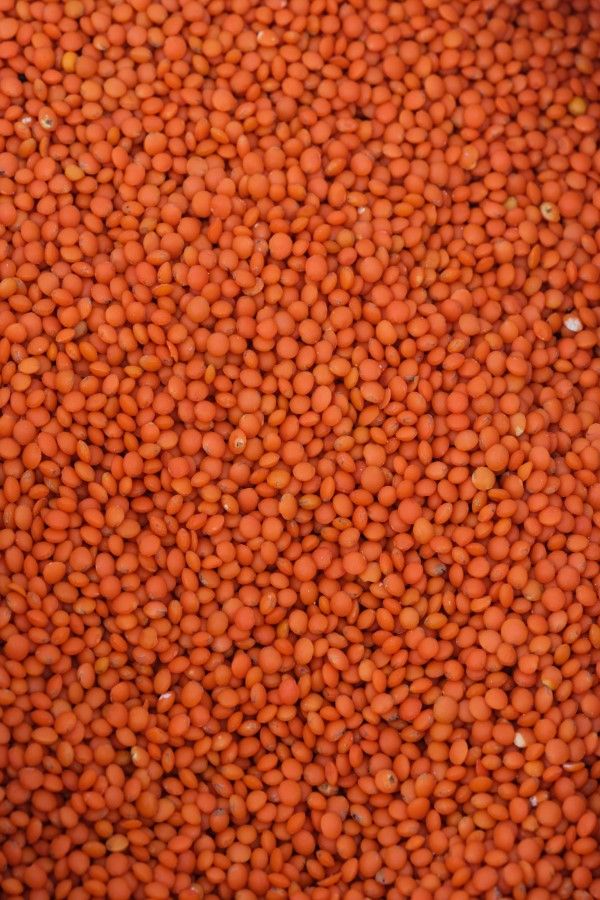
Masoor Dal / Red Lentil
Premium Masoor Dal / Red Lentil pulses, sorted and cleaned for uniform size and maximum nutritional value.
Min. Order
1 Metric Ton
Start Your Export Journey with Us
Get expert guidance on sourcing, compliance, and global logistics for your B2B trade business.