XP-0094 Pulses
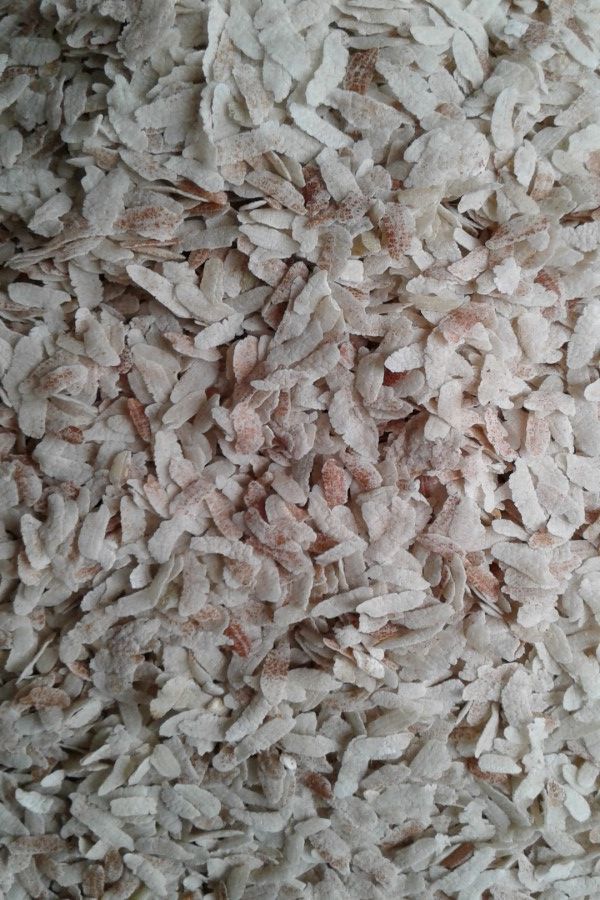
Beaten Rice
Premium Beaten Rice pulses, sorted and cleaned for uniform size and maximum nutritional value.
FSSAIISO 22000APEDA
Min. Order
1 Metric Ton
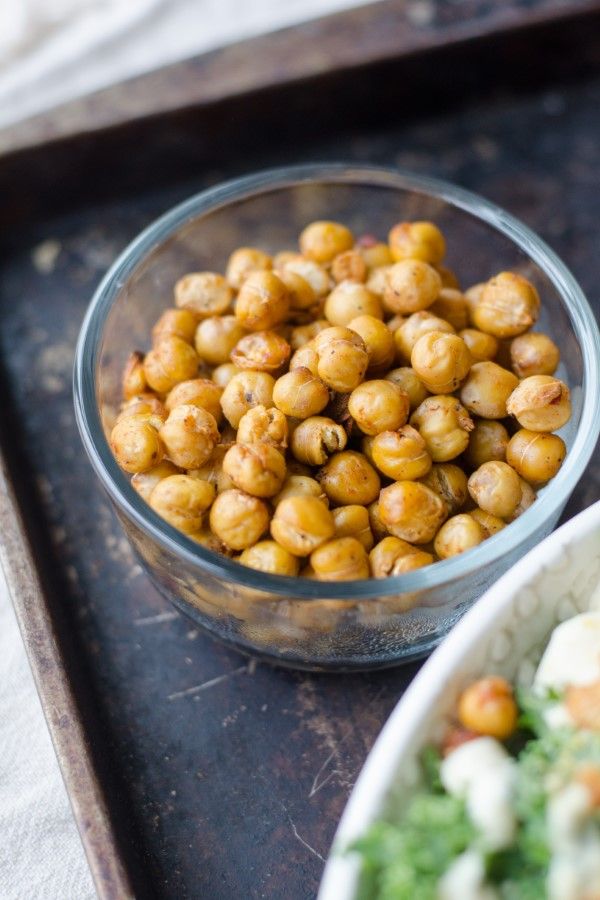
High-protein Chickpeas available in Kabuli and Desi varieties, cleaned and graded for premium international standards.
Min. Order (MOQ)
1 Container (20ft)
HS Code
07132000
Origin
India (Madhya Pradesh/Rajasthan)
Price Range
Price on Request
Export Documents
Available Bag Sizes
Available Bag Types
Chickpea (Cicer arietinum) is the most protein-rich of the globally traded legumes and one of the most versatile B2B food ingredients in both traditional and functional food manufacturing. India is the world's single largest chickpea producer, responsible for approximately 70% of global production, with growing zones concentrated in Madhya Pradesh and Rajasthan for Kabuli varieties and extending across Maharashtra and Karnataka for desi types. IndianXporter supplies both Kabuli and Desi chickpea to B2B importers, each serving distinct market applications. Kabuli chickpeas — large, cream-coloured, wrinkle-skinned, 7-9 mm diameter — are the standard ingredient for hummus production, canned chickpea products, ready meals, and Mediterranean food service; they carry 19-20% protein and a mild, neutral flavour compatible with industrial formulations. Desi chickpeas — small, angular, dark-skinned — carry higher starch content and are the raw material for chana dal milling and besan production, with strong export demand from South Asian processors.
Export quality is established through multi-stage sortex optical cleaning targeting 98%+ purity, moisture conditioned to 12% maximum for an 18-24 month shelf life, and laboratory verification for pesticide residues (EU MRL compliant under EC 396/2005), aflatoxins below 5 ppb, and Salmonella-free certification. Kabuli grades are sorted to consistent 7-9 mm diameter with uniform cream colour to meet retail and hummus processor specifications; desi grades are graded for starch content and admixture control to support besan flour yield guarantees. Certifications from APEDA, FSSAI, ISO 22000, and FDA-registered facilities accompany every export consignment.
B2B buyers include hummus and dip manufacturers in Israel, USA, and Europe requiring consistent bold Kabuli supply; South Asian diaspora grocery brands needing private-label Kabuli packs for UK, Canada, and UAE supermarkets; besan flour millers in Bangladesh, Nepal, and South East Asia requiring high-starch desi chickpea in bulk; and plant-based food companies incorporating chickpea protein into meat alternatives and dairy-free products. Shipments load through Nhava Sheva, Mundra, and Chennai under FOB, CIF, CFR, and DAP terms with 15-30 day lead times, in 25-50 kg PP or jute bags, with organic NPOP-certified Kabuli available for premium health-food buyers.
As a leading manufacturer and exporter in India, IndianXporter ensures that our Chickpea meets the stringent quality requirements of international markets. Our robust supply chain allows us to fulfill bulk orders consistently, offering highly competitive FOB and CIF pricing to our B2B partners worldwide.
Our processing facilities are equipped with state-of-the-art machinery, ensuring that every shipment of Chickpea is thoroughly sorted, cleaned, and graded. We adhere to global food safety and industrial standards, backed by third-party inspections from agencies like SGS upon buyer request.
Regional cultivars available for bulk export
Kabuli Large (42/44)
Premium bold grade. 42–44 count/100g. EU & USA top pick.
Kabuli Medium (44/46)
Standard export grade. 44–46 count. Volume export.
Desi Chana
Small, dark. High protein (22%). Processed to besan flour.
Specific variety available on request — mention in your RFQ.
Chickpea (Cicer arietinum) is a legume-family pulse crop ranking among the world's most economically significant sources of plant-based protein and dietary fiber. Two primary varieties dominate the global trade: Kabuli chickpeas (large, cream-colored, wrinkled skin — preferred in the Middle East, Mediterranean, and North America) and Desi chickpeas (small, dark-colored, higher protein — dominant in South Asia and used for flour production).
India is the world's largest chickpea producer and exporter, with cultivation concentrated in Madhya Pradesh, Rajasthan, Maharashtra, and Uttar Pradesh. The crop is exported in premium export grades (98%+ purity, Sortex-cleaned) across both Kabuli and Desi varieties, commanding strong prices in the global market due to their nutritional density and clean-label sourcing.
The defining feature of Indian chickpeas is their non-GMO status, absence of pesticide residues (tested against EU/USA standards), and nutritional profile rich in protein (18–20%), fiber, and micronutrients. Indian chickpeas face minimal buyer quality concerns and are prized by food manufacturers for hummus, canned chickpea products, ready meals, and meat-alternative formulations.
| Botanical Name | Cicer arietinum |
| Kabuli Variety Size | 7–9 mm diameter; 1,000-grain weight 180–220g |
| Desi Variety Size | 6–8 mm diameter; 1,000-grain weight 150–180g |
| Protein Content | 18–20% (dry weight); Kabuli slightly lower, Desi slightly higher |
| Crude Fiber | 6–7% |
| Starch Content | 45–52% |
| Moisture Content | 10–12% (maximum) |
| Purity Grade | 98%+ (Sortex-cleaned); damaged, broken, immature <1% |
| Foreign Matter | <0.5% |
| Admixture | <1% |
| Shelf Life | 18–24 months in cool, dry, airtight conditions |
| Cooking Time (Kabuli) | 45–60 minutes (soaked) |
| Cooking Time (Desi) | 30–45 minutes (soaked) |
| Thousand-Grain Weight | Kabuli 180–220g; Desi 150–180g |
Kabuli Bold 42/44 Count
Processing: Machine graded, sortex cleaned, uniform large seed
Colour: Cream-beige, uniform skin
Use Case: Premium hummus manufacturing, EU supermarket retail, North American health food
+20–30% over 58/60 grade
Kabuli Medium 44/46 Count
Processing: Machine graded, sortex cleaned
Colour: Cream-beige
Use Case: Standard retail packs, Middle East wholesale, UK grocery market
+10–20% over 58/60 grade
Kabuli Standard 58/60 Count
Processing: Machine graded, standard cleaning
Colour: Cream, some variation
Use Case: Industrial food processing, canned chickpeas, institutional catering
Base export grade
Desi Chickpea (Premium Export Grade)
Processing: Sortex-cleaned; size-sorted 6–8 mm; high purity
Colour: Dark brown/black — natural color preserved
Use Case: Traditional dal, besan (flour) production, spice blends, meat alternatives
Base standard grade
Chickpea Flour (Besan)
Processing: Cleaned, milled, sieved to fine powder; 100–200 mesh
Colour: Light yellow to cream
Use Case: Batter, batters for frying, noodles, fortified flour blends, meat substitutes
+$800–$1,500/MT over dry chickpea
Organic Chickpea (Certified)
Processing: Certified organic production; Sortex-cleaned; traceability verified
Colour: Kabuli cream; Desi dark brown
Use Case: Organic food brands, premium retail, health-conscious consumers
+30–50% over conventional export grade
Prices are indicative. Request a formal quote for contractual pricing.
| Grade | FOB Price (USD/MT) | Notes |
|---|---|---|
| Desi Chickpea (Export Grade) | $450–$600/MT | Indicative Q2 2026 — subject to crop yield and global supply |
| Kabuli Bold 42/44 count | $900 – $1,400/MT | Premium hummus grade — Q1 2026 indicative |
| Kabuli Medium 44/46 count | $800 – $1,200/MT | Standard retail grade |
| Kabuli Standard 58/60 count | $650 – $1,000/MT | Industrial food processing grade |
| Chickpea Flour (Besan) | $1,300–$2,000/MT | Indicative — higher-value processed product; growing food-industry demand |
| Organic Chickpea | $650–$900/MT | Indicative — premium positioning for EU and North American organic retailers |
Price Influencing Factors
India is the world's largest chickpea exporter but competes primarily on volume and clean-label sourcing rather than price. Australia and Canada produce high-quality chickpeas with strong brand recognition in North American and European markets. However, Indian chickpeas command strong market share through reliable supply, competitive pricing in the Desi segment, and consistent quality in the Kabuli export grade.
| Aspect | 🇮🇳 India | 🌏 Australia / Canada |
|---|---|---|
| Global Export Share | World's largest chickpea exporter — 40%+ of global trade | Australia 20–25%; Canada 10–15% of global chickpea exports |
| Variety Focus | Both Kabuli and Desi; strongest in Desi supply | Predominantly Kabuli-focused; limited Desi production |
| Price Positioning | Value competitive; cannot match Australia on brand premium | Australia commands premium pricing on brand/quality perception |
| Organic Supply | Growing organic certified supply from MP and Rajasthan | Established organic supply chain; higher certification premiums |
| Non-GMO / Clean-Label | 100% non-GMO; no pesticide concerns | Non-GMO; same quality assurance standard |
| Consistency & Scale | High-volume export supply; subject to monsoon variability | More stable supply; lower crop-yield volatility |
Food Processing & Manufacturing
Hummus production, canned chickpea, ready meals, snack bars, and meat-alternative protein formulations. Kabuli chickpeas are preferred for hummus; Desi for dal and flour applications.
Food Service & Retail
Fresh and canned chickpea supply for restaurant chains, cafes, and retail supermarkets. Dried chickpea for home cooking, particularly in Middle Eastern and South Asian households.
Flour & Milling Industry
Desi chickpeas are milled into besan (chickpea flour) for batters, batters for frying, ethnic noodles, and fortified flour blends. High starch content makes Desi ideal for flour production.
Nutraceutical & Health Foods
High-protein chickpea-based snack bars, protein isolates, and fortified cereals targeting health-conscious consumers and plant-based diet trends.
Primary Supply Origins
India
~40–45% of global chickpea exportsMP, Rajasthan, Maharashtra production. Desi stronghold; growing Kabuli export capacity.
Australia
~20–25% of global chickpea exportsKabuli-focused; premium pricing; strong brand in North America and EU.
Canada
~10–15% of global chickpea exportsKabuli-focused; smaller volumes; premium market positioning.
Key Consumption Nodes
United States
Largest chickpea importer; hummus, canned chickpea, ready meals, and plant-based protein drive strong demand. Mix of Indian Desi and Kabuli, and Australian Kabuli sourcing.
Middle East (UAE, Saudi Arabia, Iraq)
High-volume Kabuli chickpea market for hummus production and traditional chickpea dishes. Indian and Australian Kabuli competing.
South Asia (Bangladesh, Pakistan, Sri Lanka)
High-volume Desi chickpea import market for dal and besan. Indian Desi dominates — price-sensitive, volume-driven.
Europe (UK, Germany, Netherlands)
Growing chickpea imports for hummus, plant-based foods, and organic-certified supplies. Mix of Indian, Australian, and Canadian sourcing.
The global chickpea market is driven by rising plant-based protein consumption, hummus and ready-meal growth in North America and Europe, and sustained bulk demand for traditional dal and besan in South Asia. India dominates global supply, particularly in the Desi segment, and is increasingly competitive in Kabuli exports. Market growth is anchored in North American hummus trends and meat-alternative protein applications, offset by supply variability from Indian monsoon patterns.
Market Size
Global chickpea trade exceeds $4 billion annually; North American and European segments growing fastest
Growth Rate
~5–6% CAGR — driven by plant-based food trends, hummus growth, and meat-alternative protein demand
Core Demand Drivers
Supply Dynamics
India is the world's largest chickpea producer and exporter, with supply concentrated in Madhya Pradesh, Rajasthan, Maharashtra, and Uttar Pradesh. Monsoon timing and rainfall variability create crop-yield cycles; drought years constrain supply and support prices. Australia and Canada provide supplementary Kabuli supply, primarily to North American and European markets, but cannot match India's Desi capacity or volume.
⚠ India Risk Factor
Indian chickpea supply is monsoon-dependent and subject to drought cycles; poor rainfall in MP and Rajasthan constrains export availability. Competition from Australian premium-positioned Kabuli limits India's price upside in developed-market Kabuli segments. Desi export growth is constrained by rising domestic demand from India's food-processing sector.
Future Outlook
Chickpea demand is set to grow faster than commodity pulses, anchored in plant-based food trends and North American market expansion. India's growth opportunity is strongest in Kabuli export-grade positioning and organic certification, while Desi supply faces rising domestic competition. By 2030, chickpea is expected to be a $5.5–6 billion global market, with India retaining 40%+ market share.
| Product Type | HS 6-Digit | ITC-HS 8-Digit | Description |
|---|---|---|---|
| Chickpeas (dry, for sowing) | 0713.10 | 07131000 | Chickpeas, for sowing (seed-grade) |
| Chickpeas (dry, other) | 0713.10 | 07132000 | Chickpeas, other (export-grade edible) |
| Chickpea Flour (Besan) | 1106.20 | 11062000 | Chickpea flour and meal (Besan) |
| Standard | Code / Reference | Note |
|---|---|---|
| APEDA Registration | APEDA | Mandatory for all chickpea exports; quality oversight and traceability |
| EU Pesticide MRL | EC 396/2005 | Indian chickpeas consistently meet stricter EU standards with minimal residues |
| FSSAI Food Safety | FSSAI License | Processing and storage facilities certified for food safety |
| Aflatoxin Testing | 20 ppb limit | Third-party tested; aflatoxin rarely detected in Indian chickpeas |
| Salmonella / E. coli | Absent | Laboratory verified — no pathogenic contamination |
| ISO 22000 / HACCP | HACCP | Food safety management system certification |
| Organic Certification | EU 2018/848 | Organic-certified lots available from registered farms |
Shelf Life
18–24 months in cool, dry, airtight storage; Desi grades more stable than Kabuli
Storage Conditions
Chickpeas must be stored below 70% relative humidity and below 20°C to prevent moisture absorption, insect infestation, and enzymatic degradation. Airtight, food-grade packaging essential.
Container Type
Standard 20ft/40ft FCL with HDPE liner and desiccant packs; ventilated containers not required for dried chickpea
Fumigation
Phosphine fumigation standard for export-grade chickpea shipments; fumigation certificate provided.
Storage Advantage
India's cool-storage infrastructure and desiccant-lined packaging preserve chickpea quality across long-distance ocean shipping.
Bulk supply for various manufacturing, processing, and distribution sectors. High-purity technical grades available for industrial procurement and technical application.
Standard
Technical Grade
Supply
Bulk Only
Standard Packaging
Small Pouches / Bulk Jute Bags
Private Label / OEM
OEM Packing & Custom Weight Slabs
Port of Loading
Nhava Sheva (Mumbai) Port
Incoterms
FOB, CIF accepted
IndianXporter successfully exports Chickpea to major international markets. Click your region below to view destination-specific compliance and shipping details.
Establish your own brand in the international market. We provide end-to-end custom white-label packaging and branding solutions for retail distribution. Get retail-ready Chickpea under your brand name with our expert OEM services.
Retail Ready
From Design to Delivery
We provide market-specific compliance documentation for each destination. Contact us for country-specific certifications.
Related
Premium Beaten Rice pulses, sorted and cleaned for uniform size and maximum nutritional value.
Min. Order
1 Metric Ton
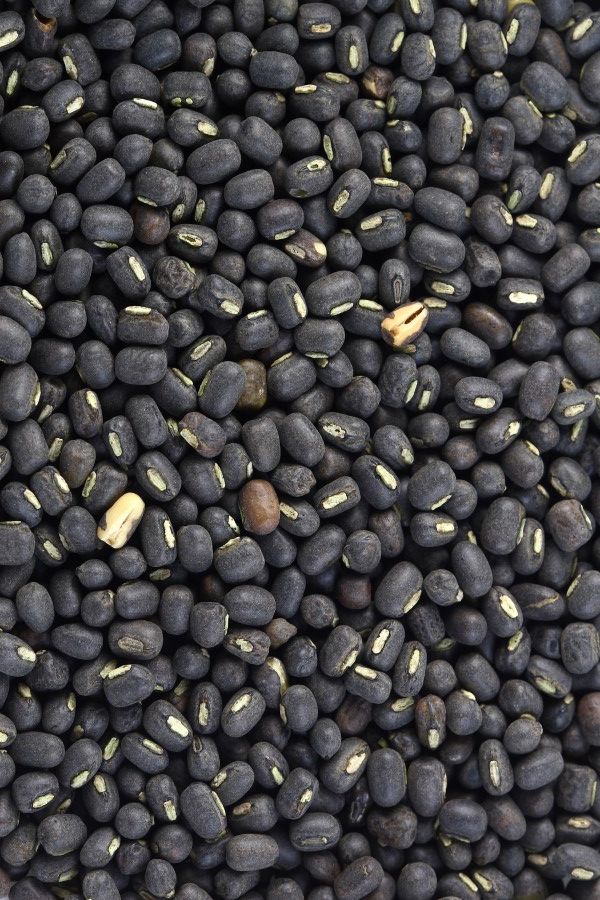
Nutrient-rich Black Gram (Urad Dal) processed for purity and quality, ideal for diverse culinary applications.
Min. Order
1 Metric Ton
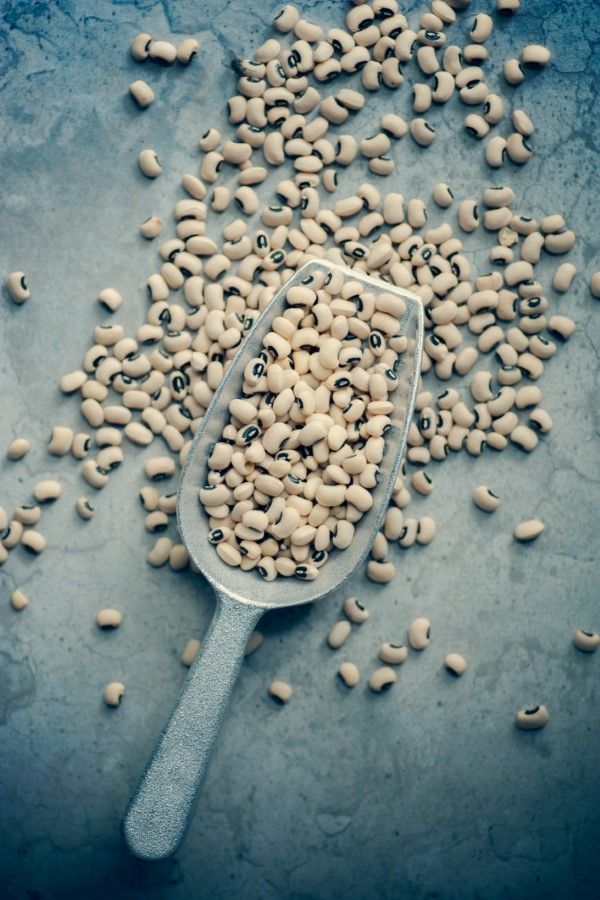
Premium Black-eyed Beans/Cowpea pulses, sorted and cleaned for uniform size and maximum nutritional value.
Min. Order
1 Metric Ton
Country-specific compliance, ports and CIF pricing for bulk chickpea shipments.
Industry-grade chickpea supply with technical COA and specifications.