XP-0023 Spices
Asafoetida
Top-grade Asafoetida with rich aroma and intense flavor, processed under hygienic conditions for global export.
FSSAIISO 22000APEDA
Min. Order
500 Kg
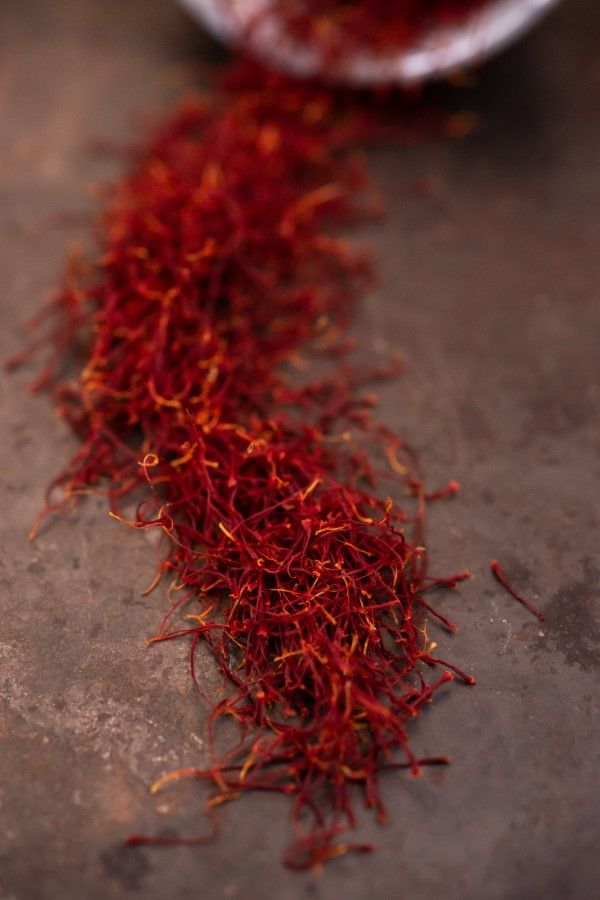
Authentic premium Kashmiri Saffron known for its intense color and aroma, sourced for global luxury spice markets.
Min. Order (MOQ)
1 kg
HS Code
09102010
Origin
India (Kashmir)
Price Range
Price on Request
Export Documents
Available Bag Sizes
Available Bag Types
Kashmiri saffron (Crocus sativus) holds a singular position in the global spice trade: it is the world's most expensive spice by weight, a GI-protected luxury ingredient, and a pharmaceutical raw material — all simultaneously. The spice consists of the hand-harvested dried stigmas of the saffron crocus flower, with each flower producing just three crimson threads. India's saffron production is concentrated almost entirely in the Pampore region of Kashmir's Karewa plateau — a high-altitude microclimate that produces saffron with consistently higher Crocin values (ISO 3632 Grade 1, Crocin > 250) than Iranian or Spanish alternatives, making Kashmiri saffron the benchmark for premium buyers globally.
Three commercial grades define the Kashmiri saffron market: Mongra (Grade 1, stigmas only — the purest and most expensive form sought by pharmaceutical and luxury food buyers), Lacha (Grade 2, stigmas with partial style, used for premium culinary applications), and Zarda/Guchhi (traditional bunch presentation for gifting, heritage, and specialty retail). Each grade is assessed against ISO 3632 standards for Crocin (colour), Picrocrocin (bitterness), and Safranal (aroma) — three parameters where Kashmiri saffron consistently outperforms competing origins. GI tagging and Spices Board certification provide buyers with legally verifiable provenance, critical for premium market positioning and anti-adulteration assurance.
B2B demand for Kashmiri saffron spans luxury food manufacturers (confectionery, ice cream, rice dishes), pharmaceutical companies investigating saffron's antidepressant and cognitive health properties, high-end cosmetics and skincare brands, and premium retail importers targeting Middle Eastern, European, and Japanese markets. The pharmaceutical segment is the fastest-growing demand driver, with clinical research into saffron's neuroprotective properties expanding buyer interest beyond traditional culinary channels. Because Kashmiri saffron production is limited by the specific terroir of the Karewa plateau and is entirely hand-harvested, supply is structurally constrained — making early-season forward contracting essential for buyers requiring consistent annual volume.
As a leading manufacturer and exporter in India, IndianXporter ensures that our Saffron meets the stringent quality requirements of international markets. Our robust supply chain allows us to fulfill bulk orders consistently, offering highly competitive FOB and CIF pricing to our B2B partners worldwide.
Our processing facilities are equipped with state-of-the-art machinery, ensuring that every shipment of Saffron is thoroughly sorted, cleaned, and graded. We adhere to global food safety and industrial standards, backed by third-party inspections from agencies like SGS upon buyer request.
Regional cultivars available for bulk export
Mongra (Grade-1)
Pure stigmas only. ISO 3632 Grade 1. Highest crocin (>200).
Lacha (Grade-2)
Stigmas with partial style. ISO Grade 2. More affordable.
Zarda / Guchhi
Traditional bunch form. Unprocessed stigmas tied in clusters.
Specific variety available on request — mention in your RFQ.
Saffron (Crocus sativus) is the world's most expensive spice by weight — derived from the dried stigmas of the saffron crocus flower. Each flower produces only 3 stigmas, and harvesting must be done by hand within hours of blooming in October-November. It takes approximately 150,000 flowers to produce 1 kilogram of dry saffron, explaining its extraordinary market value.
Kashmiri Saffron, grown in the Pampore region of the Kashmir Valley at altitudes of 1,600–1,800 metres above sea level, is globally recognised as the highest-quality saffron available. It holds a Geographical Indication (GI) tag and is distinguished by its thick stigmas, deep crimson colour, intense Safranal aroma, and world-leading Crocin (colour) values consistently exceeding ISO 3632 Grade 1 specifications.
India's Kashmiri Saffron competes primarily with Iranian saffron (which dominates global volume at ~85% market share) and Spanish saffron. However, Kashmiri saffron consistently commands the highest per-kilogram price in the world due to its superior active compound profile. The global nutraceutical industry's discovery of saffron's neuroprotective, antidepressant, and macular health benefits has created explosive demand from pharmaceutical and supplement manufacturers.
| ISO Grade | Grade 1 (Mongra/Lacha) — highest international grade |
| Crocin (Colour) | > 250 (ISO 3632 Grade 1 minimum: 200) |
| Safranal (Aroma) | 20–50 (ISO 3632 range) |
| Picrocrocin (Taste) | > 85 (ISO 3632 Grade 1 minimum: 70) |
| Moisture | 12% Max |
| Floral Waste | < 0.1% (Mongra grade — stigmas only) |
| Ash Content | 8% Max |
| Styles (Yellow threads) | < 10% (Lacha grade) |
| Storage Form | Whole threads (stigmas) — not powder |
Mongra (Grade 1 — Stigmas Only)
Processing: Pure dried stigmas, hand-sorted, floral waste < 0.1%
Colour: Deep crimson red — no yellow style threads
Use Case: Pharmaceutical extraction, premium culinary, luxury gifting, ISO 3632 Grade 1 certified
Premium grade — highest value per gram
Lacha (Grade 2 — Stigmas + Partial Style)
Processing: Stigmas with partial yellow style attached
Colour: Crimson with visible yellow thread sections
Use Case: Premium culinary use, restaurant supply, retail consumer packs
-15–25% below Mongra grade
Zarda / Guchhi (Traditional Bunch)
Processing: Traditional unprocessed bunch form — stigmas tied together
Colour: Crimson clusters
Use Case: Traditional Indian market, luxury gifting, specialty culinary
Variable — traditional form commands cultural premium
Prices are indicative. Request a formal quote for contractual pricing.
| Grade | FOB Price (USD/MT) | Notes |
|---|---|---|
| Kashmiri Saffron Mongra Grade 1 | $2,500 – $5,000/kg | ISO 3632 Grade 1, Crocin > 250 — Q1 2026 indicative |
| Kashmiri Saffron Lacha Grade 2 | $1,800 – $3,500/kg | ISO Grade 2 — premium culinary and retail grade |
Price Influencing Factors
Iran dominates global saffron volume (~85% market share) with its Khorasan province production. Kashmiri saffron is the undisputed quality leader despite far lower volume, commanding the world's highest saffron price per kilogram due to superior active compound values.
| Aspect | 🇮🇳 India | 🌏 Iran |
|---|---|---|
| Crocin (Colour Value) | > 250 consistently — world's highest | 190–230 typically — high but below Kashmiri |
| Safranal (Aroma) | 20–50 — intensely aromatic | 20–40 — fragrant but less complex |
| Picrocrocin (Taste) | > 85 — bold, complex bitter-sweet taste | 65–85 — good but lower intensity |
| Price (USD/kg) | $2,500–$5,000/kg — world's most expensive | $1,200–$2,500/kg — volume competitive |
| GI Protection | GI Tag No. 131 — legally protected | No equivalent international GI protection |
| Volume | ~15 MT annually — rare and limited | ~400 MT annually — mass market supply |
Pharmaceutical & Nutraceutical
The fastest-growing saffron market. Saffron extract standardised to Safranal and Crocin for antidepressant supplements (clinical evidence for mild-to-moderate depression), cognitive health, and macular degeneration treatments. Mongra grade is the preferred raw material for pharmaceutical extraction.
Premium Culinary & Fine Dining
Saffron is the essential ingredient in paella, risotto Milanese, bouillabaisse, biryanis, and Persian rice dishes. Michelin-starred restaurants and luxury hotel kitchens specify Kashmiri Mongra grade by name. Even tiny amounts (0.1–0.3g per dish) deliver incomparable colour and flavour.
Luxury Gifting & Retail
Premium saffron in branded glass jars and luxury packaging is among the world's most gifted premium food products. Middle Eastern and South Asian gifting culture drives significant demand for beautifully packaged, certified Kashmiri saffron in 1g–10g luxury units.
Cosmetics & Skincare
Crocin's antioxidant and skin-brightening properties drive saffron inclusion in luxury face creams, serums, and eye treatments. High-end cosmetic brands (particularly Korean and European) use standardised saffron extract as a premium active ingredient.
Primary Supply Origins
Iran
~85% of global volumeKhorasan province dominant. Mass market supply at competitive prices. Subject to sanctions affecting payment logistics.
India (Kashmir)
~5%Pampore, Kashmir — world's highest quality saffron. GI protected. Volume small but value exceptional.
Spain (La Mancha)
~5%GI protected Spanish saffron. Premium culinary positioning in European market.
Key Consumption Nodes
Middle East — UAE, Saudi Arabia, Qatar
Cultural centrepiece of cuisine and gifting. UAE imports and re-exports to wider GCC. South Asian diaspora drives biryani and dessert demand.
European Union — Spain, Germany, Italy, France
Culinary tradition (paella, risotto) and growing nutraceutical demand. EU requires pesticide-clean certificates. Germany leads supplement buyer segment.
USA
Pharmaceutical-grade saffron for supplement manufacturing plus gourmet retail. Amazon is a major retail channel for premium Kashmiri saffron brands.
Japan & South Korea
Luxury skincare ingredient and premium culinary import. Rigorous testing requirements — NABL-certified COA mandatory.
Kashmiri saffron occupies a unique position in global trade — it is simultaneously an ultra-luxury spice, a pharmaceutical ingredient, and a cultural heritage product. The combination of limited supply, GI protection, and rising nutraceutical demand has pushed prices to record levels, making it the world's highest-value agricultural commodity per kilogram.
Market Size
Global saffron market: ~$900M (2024). Kashmiri saffron premium segment: ~$50–70M annually.
Growth Rate
~11% CAGR — driven by pharmaceutical and nutraceutical demand surge
Core Demand Drivers
Supply Dynamics
Kashmir saffron cultivation area has declined by 75% over 50 years — from 5,707 hectares in 1970 to approximately 3,715 hectares today — due to urbanisation, climate change, and declining water table. This structural supply contraction against growing pharmaceutical demand is the defining market dynamic: prices will remain elevated and volatile.
⚠ India Risk Factor
Climate change in the Kashmir Valley — warmer winters reducing corm dormancy, irregular snowfall affecting irrigation — is the existential supply threat. Political instability in J&K creates periodic logistical disruptions for harvest and export. Authenticity risk — Indian saffron is frequently adulterated with Iranian saffron relabelled as Kashmiri.
Future Outlook
Pharmaceutical-grade standardised saffron extract (affron®, Safr'Inside™) is the highest-growth application — clinical-grade saffron with Safranal standardisation at 3.5% commands $8,000–15,000/kg equivalent value. Kashmiri saffron farmers investing in GI-certified, lab-verified production have the strongest long-term pricing power.
| Product Type | HS 6-Digit | ITC-HS 8-Digit | Description |
|---|---|---|---|
| Saffron (Whole Threads) | 0910.20 | 09102000 | Saffron — neither crushed nor ground |
| Saffron (Powdered) | 0910.20 | 09102090 | Saffron, crushed or ground |
| Standard | Code / Reference | Note |
|---|---|---|
| ISO 3632 | ISO 3632-1:2011 | International saffron classification — Grade 1 (highest) through Grade 3. Our saffron meets Grade 1. |
| GI Tag | GI India No. 131 | Kashmiri Saffron Geographical Indication — legally protects origin authenticity |
| Spices Board | SB Certificate | Mandatory quality certification for all saffron exports from India |
| EU Food Safety | EC 178/2002 | Full traceability from Pampore farm to export — documented |
| FSSAI | FSS Act 2006 | Indian food safety compliance for processing and packaging |
Shelf Life
36 months in airtight, dark, cool storage
Storage Conditions
Airtight container, below 15°C, away from light and moisture. Saffron is highly hygroscopic — any moisture exposure accelerates degradation.
Container Type
Air freight in sealed glass vials or vacuum foil pouches. Sea freight for bulk (>500g) in airtight tin containers within sealed cartons.
Fumigation
Not required or recommended — chemical treatment degrades the delicate volatile compounds that define saffron quality
Storage Advantage
Unlike most spices, properly stored saffron actually develops deeper colour over the first 6–12 months. Crocin values stabilise and aroma becomes more complex with careful aging.
Essential raw materials for spice blends, seasoning manufacturing, and oleoresin extraction. High-purity technical grades available for industrial procurement and technical application.
Standard
Technical Grade
Supply
Bulk Only
Standard Packaging
Steam Sterilized Laminated Bags / Cartons
Private Label / OEM
Custom Grinding & Private Labeling
Port of Loading
Chennai or Nhava Sheva Port
Incoterms
FOB, CIF, CFR accepted
IndianXporter successfully exports Saffron to major international markets. Click your region below to view destination-specific compliance and shipping details.
Establish your own brand in the international market. We provide end-to-end custom white-label packaging and branding solutions for retail distribution. Get retail-ready Saffron under your brand name with our expert OEM services.
Retail Ready
From Design to Delivery
We provide market-specific compliance documentation for each destination. Contact us for country-specific certifications.
Related
Top-grade Asafoetida with rich aroma and intense flavor, processed under hygienic conditions for global export.
Min. Order
500 Kg
Top-grade Bay Leaf with rich aroma and intense flavor, processed under hygienic conditions for global export.
Min. Order
500 Kg
Premium bold Black Pepper sourced from South India, dried and graded for superior flavor and international export.
Min. Order
500 kg
Country-specific compliance, ports and CIF pricing for bulk saffron shipments.
Industry-grade saffron supply with technical COA and specifications.