Private Label Packaging: How Custom Branding Can Scale Your Import Business
Leveraging Indian manufacturing expertise to build your local retail brand with minimal overhead.

Private label — selling imported products under your own brand rather than the manufacturer’s brand — is one of the most effective ways to build sustainable margins in the import business. Indian manufacturers and exporters are particularly well-suited as private label partners because of the combination of production scale, packaging technology, and regulatory compliance infrastructure. This guide explains how to structure a private label relationship with an Indian supplier.
Why India is the Preferred Private Label Source for Food and Spices
The private label model requires a manufacturer willing to produce under your brand specifications. Indian exporters have several structural advantages:
Manufacturing flexibility: Indian spice and food processors operate with flexible minimum order quantities — most will do private label from 500kg per SKU, compared to European contract manufacturers who often require 5,000–10,000kg minimums.
In-house packaging capability: Processing facilities in India typically have integrated pouch-filling lines (from 50g to 5kg), jar-filling lines (glass and PET), and box packing — reducing the need for external co-packing.
Regulatory documentation: Indian manufacturers are experienced in producing the documentation EU, UK, USA, and Gulf retail chains require for private label products — nutritional analysis, allergen declarations, shelf-life data, country-of-origin labelling, and FSSAI export certification.
Cost arithmetic: Private label spices sourced from India and sold at EU supermarket retail price typically deliver 60–75% gross margin for the importer — versus 20–35% for branded product resale.
The Four-Step Process to Launch a Private Label Product
Step 1: Product and Grade Specification
Define the exact specification for your product: grade, moisture limits, origin region, volatile oil percentage (for spices), or protein content (for pulses). Use the COA from a sample order to establish baseline quality, then set that as your minimum acceptable standard.
Step 2: Label and Packaging Design
Your packaging must comply with the destination market’s labelling regulations:
- EU: Mandatory labelling under EU 1169/2011 includes nutritional information, allergen declaration, country of origin, net quantity, best before, storage instructions, and responsible party name/address
- USA: FDA nutrition facts panel, ingredient list, net weight in dual (metric + imperial), manufacturer/distributor statement
- Saudi Arabia: Arabic language labelling, Halal certification mark, SFDA registration number
Indian packaging suppliers in Ahmedabad and Mumbai can produce food-grade flexible pouches, glass jars, and cartons with your artwork, typically at 10,000–50,000 unit minimums. Your Indian exporter should be able to coordinate packaging procurement on your behalf.
Step 3: Regulatory Clearance in Your Market
For food products, the importer of record (you) holds legal responsibility for product compliance in the destination market. Key steps:
- EU: Notify TRACES-NT for certain product categories; ensure the Indian exporter is FSSAI-licensed and APEDA-registered; verify pesticide residue compliance before first shipment
- UK: Register with APHA/IPAFFS for plant-based food imports post-Brexit; ensure UK nutrition labelling format
- USA: File FCE (Food Canning Establishment) registration if applicable; ensure FDA prior notice for imported food
Step 4: Pilot Order, then Scale
The standard private label launch sequence:
- Trial order (LCL, 200–500kg): Verify quality against specification, test market reception
- First FCL: Commit to 1 × 20ft container once the trial validates demand
- Standing order: Establish quarterly delivery schedule with 60-day advance notice
What to Clarify in Your Private Label Agreement
Before placing a private label order, align with your supplier on:
- Exclusivity: Is your product formulation exclusive to you in your market, or can the supplier sell identical products to competitors under different labels?
- Minimum order and frequency: What is the minimum per-SKU order and what happens to unsold packaging stock if you discontinue?
- Quality dispute resolution: How are claims handled if the shipment arrives out-of-specification?
- Lead time guarantee: What is the committed lead time from PO to container loading?
IndianXporter offers private label manufacturing for spices, herbs, pulses, and nutraceutical ingredients — from sourcing and processing to custom packaging and export documentation. Request a private label quote with your target product, packaging format, and destination market.
Featured Export Products
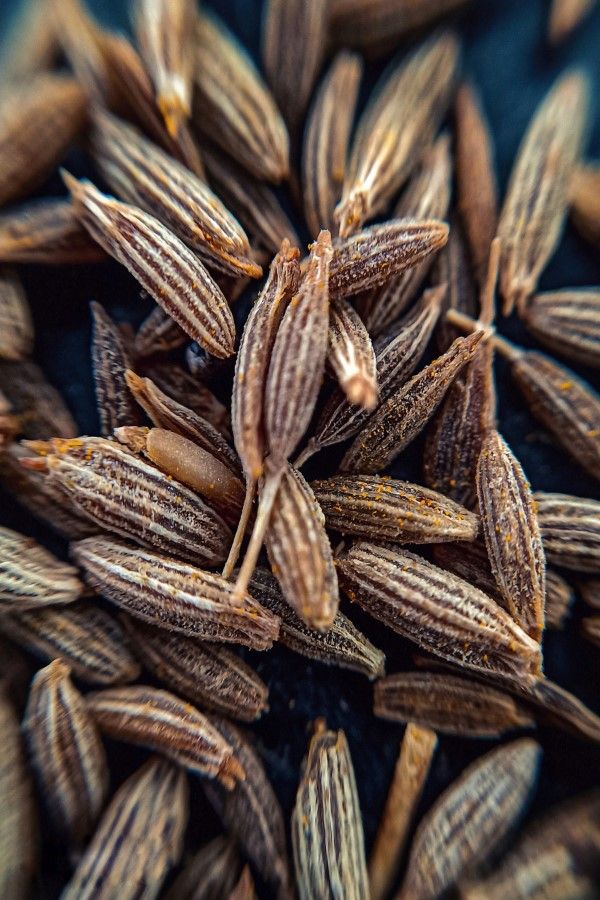
Cumin Seeds
Premium aromatic Cumin Seeds cleaned and graded to international standards, ideal for global culinary applications.
Min. Order
1 Metric Ton
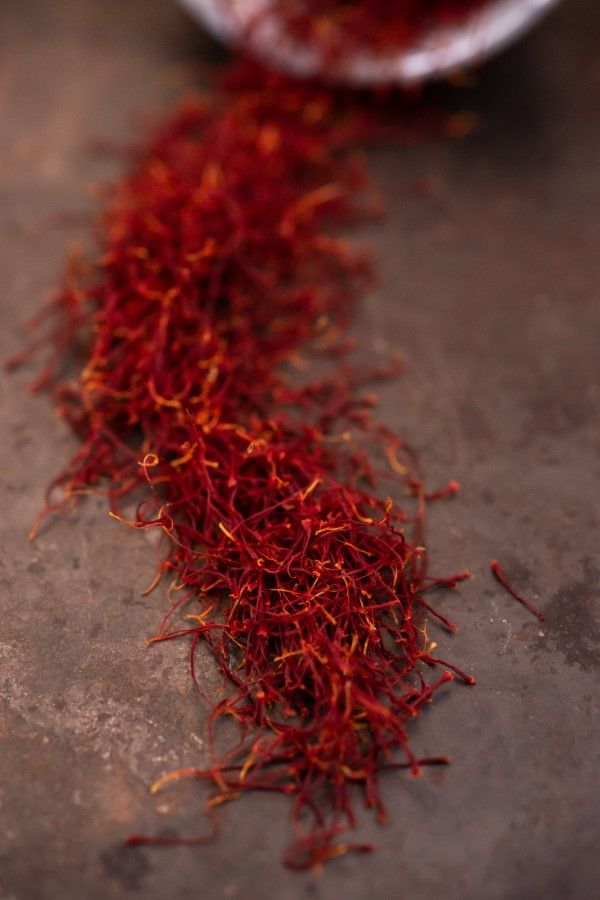
Saffron
Authentic premium Kashmiri Saffron known for its intense color and aroma, sourced for global luxury spice markets.
Min. Order
1 kg
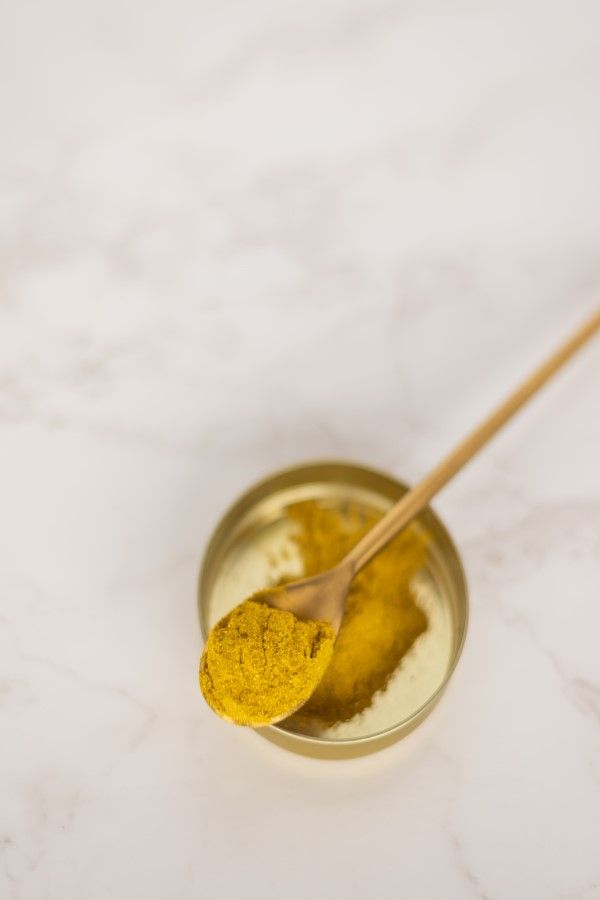
Turmeric
Top-grade Turmeric with rich aroma and intense flavor, processed under hygienic conditions for global export.
Min. Order
500 Kg
Start Your Export Journey with Us
Get expert guidance on sourcing, compliance, and global logistics for your B2B trade business.