Top 5 Indian Spices High in Demand for Global Export in 2026
Discover which Indian spices are leading the global market in 2026 and how you can tap into this lucrative export business.

India has long been known as the ‘Spice Bowl of the World’, contributing nearly 75% of global spice production. As we move through 2026, the demand for authentic, high-quality Indian spices continues to grow in international markets spanning the USA, Europe, Middle East, and Southeast Asia. Here is a data-driven look at the five spices commanding the highest export interest this year.
1. Turmeric — The Golden Spice
Turmeric remains the undisputed king of Indian spice exports. India accounts for approximately 80% of global turmeric production, with Erode in Tamil Nadu and Nizamabad in Telangana functioning as the primary trading centres.
In 2026, demand is driven by two distinct buyer segments: food manufacturers using turmeric oleoresin for natural yellow colouring, and nutraceutical companies extracting curcumin (95%+ standardised extract) for functional food products and dietary supplements. EU and US importers specifically request low-aflatoxin grades with <2 ppb mycotoxin levels and curcumin content above 3.5%. Export volumes have grown at 12% year-on-year, with the EU now the largest destination market.
What to look for when sourcing: Finger turmeric over bulb for higher curcumin, Erode or Salem origin for premium grades, and phytosanitary certificates confirming salmonella-free status.
2. Cumin Seeds — The Aromatic Workhorse
Cumin from Unjha (Gujarat) is the global benchmark. Indian cumin contributes over 70% of world exports, and 2026 has seen a particularly strong run in EU and USA demand driven by the rise of Middle Eastern and South Asian cuisine in Western markets.
B2B buyers prioritise machine-cleaned, double-sortex grades with moisture below 8% and volatile oil content above 2.5 ml/100g. Machine-cleaned FAQ (Fair Average Quality) and Grade-1 (99% purity) are the two dominant export categories. The Spices Board of India mandates pesticide residue testing under Schedule I before any cumin shipment, so verifying compliance documentation is essential.
3. Black Pepper — The Black Gold
Malabar black pepper commands premium pricing in specialty and foodservice segments globally. India’s Kerala coast produces bold, large-berried pepper with essential oil content of 2.5–3.5 ml/100g, significantly higher than Vietnamese or Brazilian origin.
The 2026 market sees a bifurcation: commodity buyers sourcing Vietnam for volume, and premium buyers specifying Indian origin for QSR chains and gourmet retail. Sterilised grades (steam-treated to achieve Salmonella-negative status) are increasingly mandatory for EU buyers under EC 1441/2007 food safety regulations. This sterilisation premium is roughly 8–12% over unsterilised pricing and represents a growing niche for certified Indian exporters.
4. Green Cardamom — The Queen of Spices
India (primarily Idukki district, Kerala) and Guatemala are the two global origins for cardamom. Indian green cardamom trades at a significant premium due to superior volatile oil content (6–8% versus 3–4% for Guatemalan origin) and the distinctive ‘sweeter’ flavour profile preferred in Middle Eastern chai, Nordic baked goods, and Scandinavian confectionery.
2026 demand is particularly strong from Saudi Arabia, UAE, and Qatar — markets where cardamom per-capita consumption rates are among the highest in the world. Export-grade specifications require moisture below 12%, ASTA colour value above 25, and guaranteed absence of aflatoxin. Buyers should ensure APEDA-registered exporters provide batch-wise NABL laboratory test reports.
5. Ginger — The Versatile Commodity
Fresh and dried ginger are both seeing strong export demand in 2026. India’s Wayanad and Sikkim regions are the primary origins for export-quality dried ginger with 5–7% oleoresin content.
The nutraceutical sector’s interest in ginger’s gingerol and shogaol compounds has created a new premium segment above traditional dried ginger trade. Organic-certified dried ginger from Wayanad commands 35–45% premium over conventional grades in EU markets. For food-grade exports, key specifications are: total ash below 6%, starch below 45%, and aflatoxin below 5 ppb.
How to Start Sourcing These Spices
Successful procurement requires:
- IEC and Import Permissions: Verify your country’s import requirements for each spice.
- Quality Certifications from the supplier: Look for ISO 22000, FSSAI, APEDA registration, and Spices Board certifications.
- Pre-shipment inspection: Commission SGS or Bureau Veritas inspection before payment.
- Regulatory compliance documentation: COA, phytosanitary certificate, fumigation certificate, and certificate of origin.
- Direct-source partnerships: Working with APEDA-registered exporters like IndianXporter eliminates the middlemen who often substitute grades.
Contact IndianXporter today for competitive CIF pricing, sample requests, and complete documentation support for your spice procurement needs.
Featured Export Products
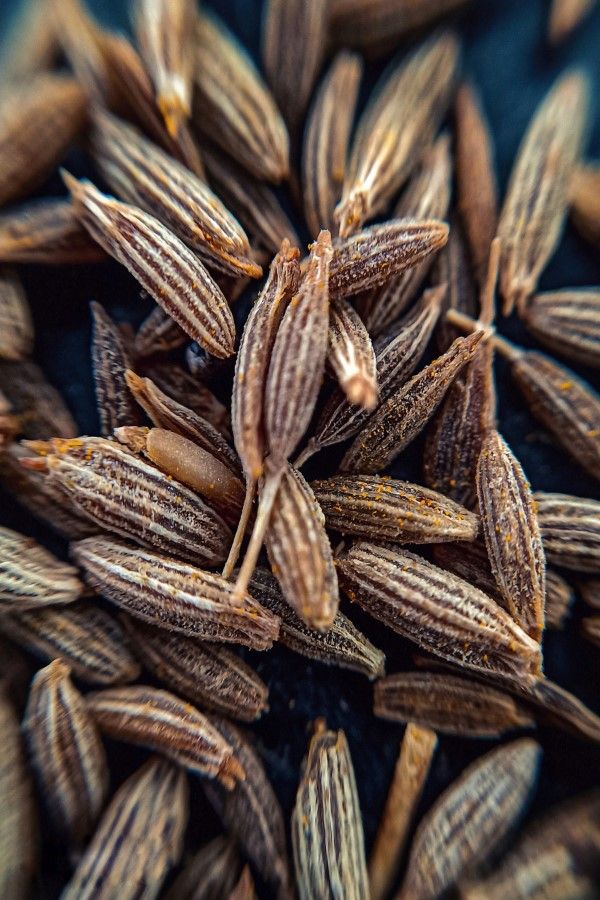
Cumin Seeds
Premium aromatic Cumin Seeds cleaned and graded to international standards, ideal for global culinary applications.
Min. Order
1 Metric Ton
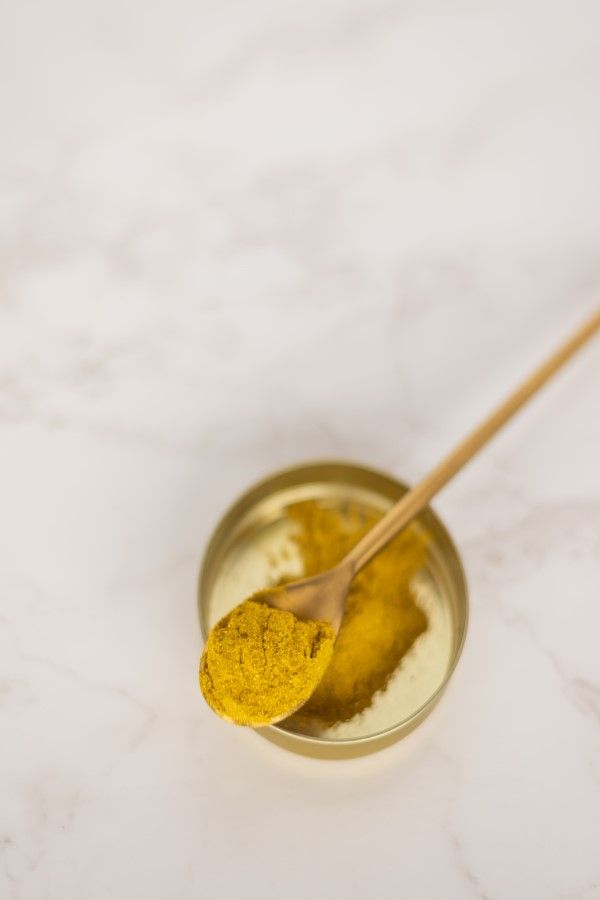
Turmeric
Top-grade Turmeric with rich aroma and intense flavor, processed under hygienic conditions for global export.
Min. Order
500 Kg
Start Your Export Journey with Us
Get expert guidance on sourcing, compliance, and global logistics for your B2B trade business.